 EN
EN

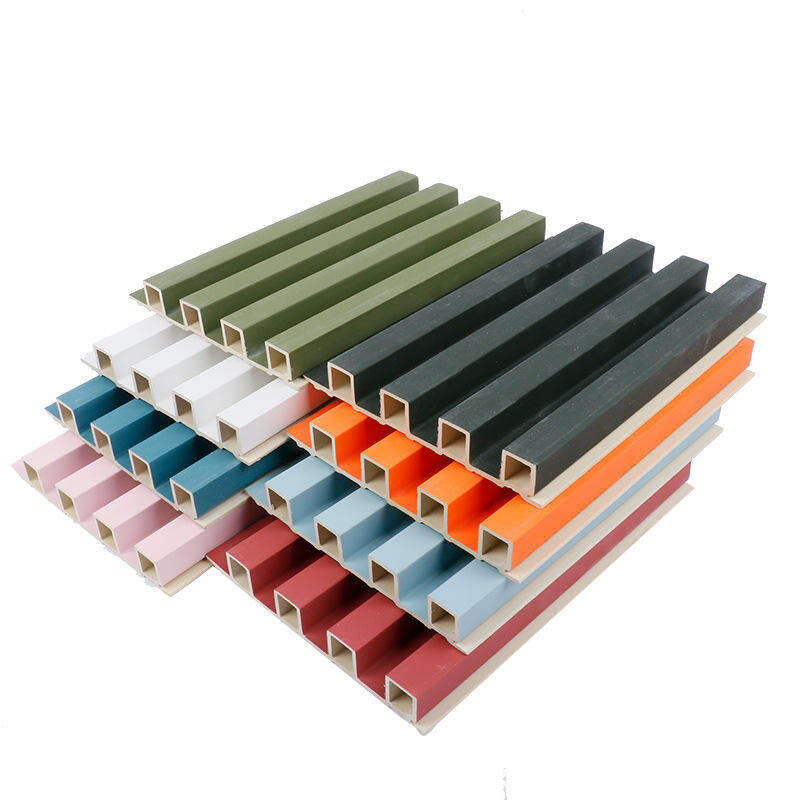
Match Decorative Wall Panels to Your Interior Design Style
Rustic & Farmhouse: Reclaimed Wood and Beadboard for Warmth and Texture
Reclaimed wood panels with visible grain knots and weathered finishes bring authentic farmhouse charm, while classic beadboard adds vertical rhythm and subtle detail. These materials enhance spaces by:
- Introducing tactile depth through natural imperfections
- Complementing exposed beams and vintage lighting fixtures
- Creating cozy focal points in entryways or dining nooks
Moisture-resistant versions are available from leading manufacturers, preserving rustic appeal while preventing warping in humid areas like kitchens.
Modern & Contemporary: Fluted, Slat, and Geometric Panels with Minimalist Finishes
The fluted panels with their even grooves bring subtle texture to a space without overwhelming the eye, something that fits right into minimalist interior styles. When slat walls catch directional light, they create interesting shadow patterns across surfaces, which adds dimensionality to otherwise flat areas. Hexagon tiles or triangular accents have become pretty popular lately as decorative elements in contemporary spaces. To keep everything looking harmonious, going with matte finishes in similar colors tends to work best. Neutral tones help preserve the calm atmosphere while making sure all those geometric shapes don't compete for attention.
Traditional & Elegant: Wainscoting, Shaker, and Nickel Gap for Refined Proportion
Wainscoting adds a touch of classic sophistication when installed along the bottom third of walls, which helps balance out the look of dining areas and study spaces. The Shaker style with those indented center panels has stood the test of time for good reason - it creates that pleasing sense of symmetry most people find appealing. Then there are nickel gap installations where the boards are spaced just right apart from each other. This setup produces those subtle shadows between them that give any room a cleaner, more organized appearance. Each of these approaches works differently depending on what kind of atmosphere homeowners want to achieve in their living spaces.
- Provide structured balance
- Frame architectural elements like fireplaces
- Support two-tone paint schemes for dimensional contrast
Explore Materials and Finishes for Decorative Wall Panels
Natural vs. Engineered: Solid Wood, MDF, PVC, and Moisture-Resistant Vinyl Compared
When picking out materials, whether natural or man-made makes a big difference in appearance and how long they last. Solid wood brings those beautiful natural grains and warm feel that looks great in old fashioned or country style spaces. But here's the catch - it needs regular care to stop it from bending out of shape over time. For folks looking for something different, engineered options like MDF give off that clean, even surface without breaking the bank. Plus, these materials take paint really well which can be a lifesaver for DIY projects. If we're talking about areas where there's lots of humidity, PVC and moisture resistant vinyl step into the spotlight. Vinyl panels cut down on water damage risks by around 70%, according to some research from the Home Improvement Institute back in 2023. Looking at how they hold up over time, wood tends to develop character as it gets older, but scratch resistance isn't its strong suit. Vinyl tells a different story altogether, standing firm against impacts, mold growth, and keeping water at bay.
Luxury Aesthetic Options: Marble-Look, Metallic, and 3D Textured Surfaces
When it comes to upscale interior spaces, modern finishes bring both flair and class to the table. The latest marble look panels are printed digitally onto light materials, creating those beautiful natural stone veins we all love, but weighing around 60% less than real marble. That makes them much easier to install in high ceilings or tricky corners where heavy stone would be impractical. Metallic touches like brushed gold or aged copper really pop in rooms with limited lighting, adding some sparkle even when sunlight is scarce. Textured surfaces in three dimensions range from sharp geometric designs to flowing wave patterns. These aren't just pretty to look at either they actually help control sound better than plain walls, soaking up about 30% more background noise according to studies published last year in the Acoustics Design Journal. What this means for designers is simple luxury doesn't have to sacrifice function anymore.
Balance Aesthetics with Functional Performance
Acoustic, Waterproof, and Fire-Rated Decorative Wall Panels for High-Performance Spaces
Decorative wall panels today bring both looks and serious functionality to the table, which is why they're so popular in places where people gather a lot, whether it's businesses or busy homes. The acoustic ones really cut down on echo problems, some reaching NRC ratings around 0.85. These come wrapped in fabrics or have holes in wooden surfaces that actually look good in office buildings and hotel lobbies. For bathrooms and other damp spots, there are waterproof vinyl panels that won't bend out of shape over time. They pass those ASTM D570 tests for holding up against moisture. When safety matters most, fire rated panels get top marks with Class A ratings thanks to special minerals inside or treated coatings. This means they hold off catching fire longer in important spots like restaurant kitchens or hospitals. Interior designers love working with these panels because they fit right in everywhere. Think textured 3D tiles that sound great in modern offices, or panels that look like ceramics but won't burn in commercial kitchens. All this while meeting ISO standards for quality materials, so safety doesn't have to mean sacrificing good design.
FAQs
What type of decorative wall panels are best for humid areas?
Moisture-resistant versions of reclaimed wood panels are available from leading manufacturers and are ideal for humid areas such as kitchens and bathrooms.
How do modern panels achieve a minimalist finish while adding texture?
Modern panels use fluted designs with even grooves and slat walls that create interesting shadow patterns. Hexagon tiles or triangular accents preserve the minimalist finish in similar matte colors.
What materials are recommended for scratch resistance?
Vinyl panels excel in scratch resistance compared to solid wood, making them a durable choice against impacts, mold growth, and moisture.
What are the benefits of luxury panels like marble-look and metallic finishes?
Luxury panels like marble-look and metallic finishes offer upscale aesthetics and sound control properties without compromising on function.