 EN
EN

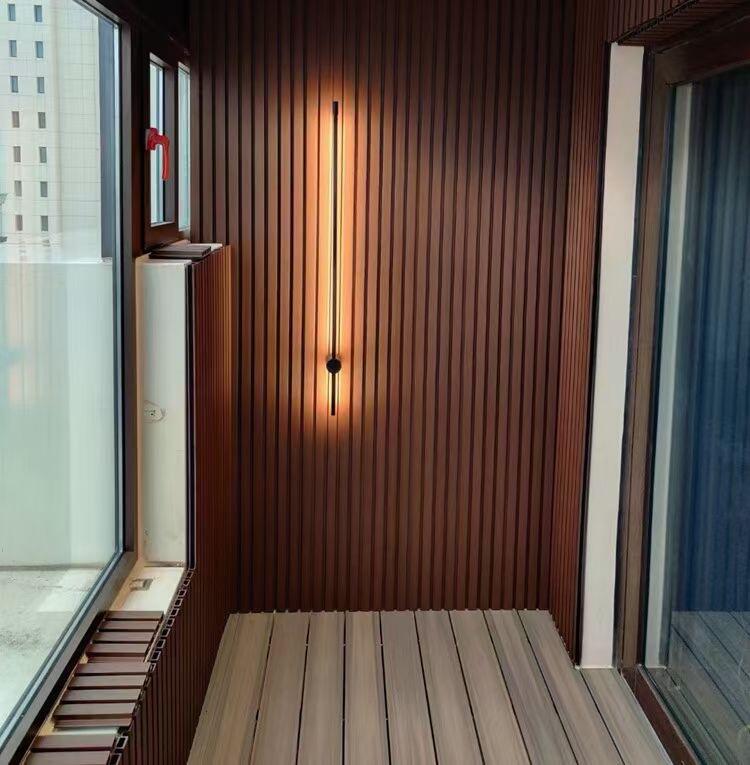
What Makes a Wall Panel Eco-Friendly? Key Material Criteria
Renewable, Rapidly Regenerating Sources: Cork, Bamboo, and Reclaimed Wood
Green wall panels typically begin with materials that grow back faster than we take them—or sometimes don't need any new cutting at all. Take cork for instance. It comes from the bark of cork oak trees which are still alive when harvested about once every nine years. This process doesn't hurt the tree itself and provides good insulation against heat plus it keeps capturing carbon dioxide over time. Then there's bamboo, which might surprise people since it's actually classified as grass rather than wood. Bamboo grows up pretty fast, reaching full size within three to five years. It soaks up around 35 percent more carbon dioxide compared to regular timber areas too. Plus, using reclaimed wood from old barns, factories or even parts of cities helps keep historical elements intact while cutting down on the need for fresh lumber. All these options help protect habitats, save natural resources, and fit nicely into designs that aim to reuse what already exists instead of constantly creating something new from scratch.
Low-Embodied-Carbon Alternatives: Hempcrete, Timber Composites, and MgO Boards
Cutting down on embodied carbon makes all the difference. Embodied carbon refers to those greenhouse gases released when materials get extracted, processed, and shipped around. Take hempcrete for instance. Made from hemp hurds mixed with lime, this material actually pulls carbon out of the air as it cures while keeping indoor spaces comfortable by controlling moisture levels. Then there's engineered timber stuff like cross laminated timber (CLT). These products reuse scrap wood with eco-friendly glues, which cuts energy costs somewhere around 25-30% compared to regular building boards. Magnesium oxide boards stand out too since they require much cooler firing temperatures than traditional cement products. This switch can slash carbon emissions by maybe half or even two thirds depending on conditions, plus they resist fire, stop mold growth, and hold up structurally. All these options help create walls that meet green building certifications such as LEED and the Living Building Challenge, but what really matters is how they transform actual construction practices toward something more sustainable.
Note: Data reflects industry consensus from the Sustainable Builders Alliance (2023) and Green Materials Journal (2024). No external links are included per authoritative sourcing guidelines.
Proven Environmental and Health Benefits of Sustainable Wall Panels
Enhanced Thermal Performance and Energy Efficiency in Residential Envelopes
Wall panels made from sustainable materials boost how well buildings keep their heat in winter and stay cool during summer months. Materials like hempcrete and wood composites work against heat moving through them because of their tightly packed cells. This helps prevent those annoying temperature drops around window frames and doorways while keeping indoor temps stable throughout all seasons. Buildings actually need about 15 to maybe even 30 percent less heating and cooling energy when these panels are used instead of regular drywall plus insulation setups. Certain advanced versions come with special materials inside that soak up excess warmth during the day then slowly give it back at night time. No need for extra equipment either! What we end up seeing? Lower bills from saving on energy costs, fewer carbon emissions overall, and people living or working there feel much better about their environment too.
Superior Acoustic Control and Low-VOC Indoor Air Quality Assurance
The density of natural fibers combined with the overall weight of composite materials gives these eco-panels remarkable sound dampening properties. For instance, panels made from cork and reclaimed wood can knock down background noise by around 70 percent, whereas hempcrete ceilings manage to cut echo effects in open spaces almost in half. What really matters too is how they affect indoor air quality. These panels are constructed using safe, non-toxic binders and finishes that meet strict low VOC requirements like those set out in California's Section 01350 standard and the GREENGUARD Gold certification. This means no formaldehyde or other stuff that irritates breathing passages ends up in the air we breathe. Research published in peer reviewed journals shows that spaces with low VOC levels tend to have fewer asthma flare ups, better sleeping patterns, and even sharper thinking abilities among occupants. That's why many architects now consider sustainable wall panels not just an option but a must have component when designing buildings that actually promote health and well being.
Design Versatility and Real-World Applications of Eco-Friendly Wall Panels
Accent Walls, Feature Ceilings, and High-Traffic Commercial Interiors
Wall panels that work for the planet bring together looks, practicality, and performance in all sorts of places. At home, people love using bamboo with its neat grain patterns or cork that feels great to touch as accent walls. These materials do more than look good they actually help regulate temperature too. For ceilings, lightweight hempcrete and wood composite panels let designers get creative especially in those big open living spaces where controlling noise levels matters so much. Commercial buildings benefit from MgO boards in busy spots such as hotel entryways, doctor offices, and shops. They stand up well against water damage, resist scratches, and install quickly enough to keep businesses running smoothly during renovations. The best part? These panels can be shaped almost any way needed, with lights built right in and company logos incorporated seamlessly. Sustainability doesn't have to mean boring design choices after all.
Responsible Lifecycle Management: From Sourcing to End-of-Life
FSC Certification, Local Sourcing, Low-Impact Installation, and Recyclability Pathways
Sustainability isn't just about one part of the process but covers everything from tree to trash. When manufacturers get Forest Stewardship Council certification for their wood products, they're basically saying these panels come from responsibly managed forests where workers are treated fairly and indigenous communities have a say in how resources are used. Companies that combine these certified materials with locally sourced options cut down on shipping costs and carbon footprints significantly, sometimes reducing transport emissions by around 40%. That's not just good for the environment either it helps build stronger relationships within local communities and supply networks. Installers appreciate dry fit and clip based systems because they skip all those messy wet trades, generate less waste overall, and speed up construction projects considerably. What happens when these panels reach the end of their useful life matters too. Many eco friendly panels like engineered timber and magnesium oxide boards can actually be recycled or reused multiple times. Some composite materials maintain their strength even after being repurposed up to seven different times. This whole cycle approach means fewer materials ending up in landfills and less need for brand new raw materials, which makes sense both environmentally and economically for anyone making decisions about wall panel specifications.
Frequently Asked Questions (FAQ)
What are the main benefits of using eco-friendly wall panels?
Eco-friendly wall panels offer several benefits such as enhanced thermal performance, energy efficiency, acoustic control, and low VOC indoor air quality. They also provide design versatility for various applications.
How are renewable materials like bamboo and cork beneficial?
Bamboo and cork are rapidly regenerating materials that capture more carbon dioxide compared to traditional timber, making them ideal for sustainable designs. They also aid in protecting natural habitats and conserving resources.
Why is low-embodied-carbon important in wall panels?
Low-embodied-carbon materials help reduce greenhouse gas emissions associated with extraction, processing, and transportation, making construction practices more sustainable.
Can eco-friendly wall panels improve indoor air quality?
Yes, these panels often meet low VOC standards, reducing harmful emissions and improving indoor air quality, which can lead to better health outcomes for occupants.