 EN
EN

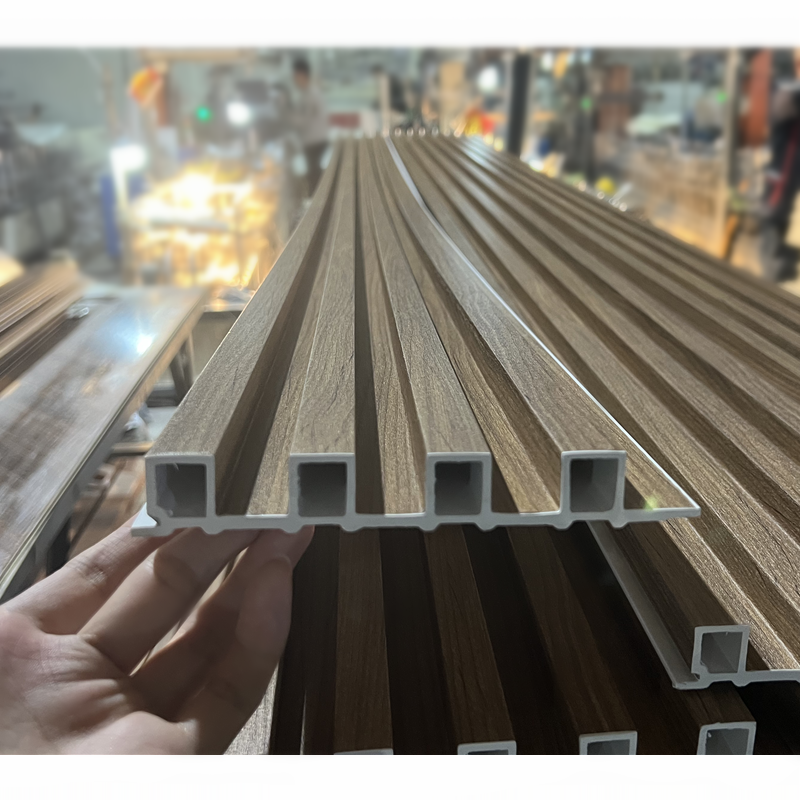
Durability in Demanding Environments: Moisture, UV, and Impact Resistance of WPC Wall Panels
Performance in High-Humidity and Outdoor Applications
When it comes to moisture-prone areas, WPC wall panels really shine where regular wood just can't hold up. These panels have a composite structure that doesn't absorb water at all, so there's no need to worry about warping, mold growing, or rot setting in over time. Good quality WPC products handle pretty much any weather thrown their way from freezing cold down to blistering heat between -20°C and 60°C. That makes them perfect for places like beachfront properties or regions with lots of rain throughout the year. One big plus compared to wood? No need for those harsh chemical sealants in bathrooms, kitchens, or when installing outside walls. Tests show these panels last well over two decades even in constantly damp environments. They stay dry because they contain less than half a percent moisture (wood typically holds between 10-28%). Plus, their layered construction stops humidity from getting through, and works great with existing drainage systems on buildings' exteriors.
Long-Term Stability Against UV Degradation, Physical Impact, and Insect Infestation
WPC wall panels made with UV-stabilized polymers keep their colors looking great for around 15 to 25 years. Lab tests show they lose less than 5% color after being exposed to UV light for 3000 hours straight. When it comes to standing up to impacts, these panels have an impressive rating of 20 kJ per square meter, which beats regular wood hands down. They can take a beating from hail storms or accidental bumps without getting dented or damaged. Another big plus is that the composite material doesn't attract termites or other wood eating pests, something that plagues wooden structures especially bad in places like Florida or Texas where humidity is high. The Shore D hardness rating sits above 80, meaning surfaces resist scratches and wear much better than standard wood products. All this durability means homeowners save money long term since there's no need for constant repainting, fixing damage spots, or replacing entire sections as often happens with traditional timber walls.
Aesthetic Realism and Design Flexibility of WPC Wall Panels
Wood Grain Replication Accuracy and Surface Texture Fidelity
Today's WPC wall panels look incredibly realistic thanks to advanced digital printing techniques combined with precise embossing methods. The printing captures all those tiny details we associate with real wood - from knots and growth rings to the way light plays on different tones. Thermal molding adds another layer of authenticity, giving the panel a feel similar to expensive woods like teak or walnut when touched. What makes WPC really stand out compared to actual wood is how uniform everything stays throughout manufacturing runs. No matter which batch comes off the line, each panel maintains the same depth, color consistency, and texture pattern. This predictability helps maintain a cohesive appearance even when installing thousands of panels across big commercial spaces.
Color Consistency, Fade Resistance, and Customization Options
Wood plastic composite materials now come with built-in UV protection that keeps colors from fading more than about 3 percent even after many years outside. This beats regular stained wood hands down since those usually need sealing every six months or so according to some recent weather tests from 2023. What's really cool about these WPC products is how versatile they look. Companies can choose between traditional wood looks all the way to modern bright colors. They also make different surface textures available like smooth matte finishes, shiny gloss ones, wire brushed effects, and even special fluted designs. Plus there are modular pieces that let designers play around with panel arrangements to create interesting visual effects in spaces. For big projects where branding matters, custom color matching helps match corporate identities exactly. Most contractors will want to see actual sample boards first though to check if each production run matches what was ordered before going ahead with installation.
Installation Efficiency: Click-Lock Simplicity of WPC Wall Panels vs. Traditional Wood
Labor Time Savings, Skill Requirements, and Retrofit Compatibility
WPC wall panels make installation much easier thanks to their built-in click lock system, saving about half the labor time needed for regular wooden panels. Traditional wood work requires skilled carpenters, special tools, glue, and careful handling of moisture levels. But WPC panels come with those neat interlocking edges so they can be put together without any fancy equipment, just simple hand tools will do. This means even workers who haven't had much training can still get great looking results without gaps or seams showing. When it comes to updating old buildings, the light weight of these panels matters a lot too since each one weighs around 7 kilograms. They go right over existing surfaces without needing to tear anything out first or wait for things to dry, cutting down on all that wasted time during renovations. Plus, because they're attached mechanically rather than glued, making changes later on in commercial spaces becomes straightforward work. Some industry reports actually show labor expenses drop by roughly 30 percent when switching from standard wood cladding to these modern alternatives.
Maintenance and Lifecycle Upkeep: The Low-Commitment Advantage of WPC Wall Panels
WPC wall panels basically cut out all that constant maintenance work that comes with regular wood cladding. Traditional wood needs so much attention over time - sanding, sealing, staining, repainting again and again just to stop it from rotting or getting eaten by insects. But WPC stays strong and looks good too with only basic cleaning using some mild soap and water when needed. Facility managers have actually seen around $740,000 saved on maintenance costs over 25 years instead of dealing with wooden systems according to research from Ponemon Institute back in 2023. Plus these panels resist moisture, mold growth, and termite attacks which means fewer surprise repair bills down the road. Most WPC installations last between 15 to 25 years without showing signs of wear, making them really reliable for places where humidity is always an issue like bathrooms, kitchens, or buildings near the coast where normal wood tends to warp, change color, or just break down completely over time.
Total Cost of Ownership: Evaluating WPC Wall Panel Value Over Time
Upfront Cost, Lifespan, Replacement Cycles, and Hidden Costs in Wet Zones
WPC wall panels do cost around 15 to 30 percent more upfront compared to regular wood products. But when looking at the big picture, these panels last well over 25 years before needing replacement. That means far fewer times replacing them and absolutely no need for ongoing maintenance treatments. For places where humidity is a constant problem, like near swimming pools or along coastlines, regular wood just doesn't hold up. The hidden expenses pile up fast with wood rotting faster, mold issues popping up everywhere, and all sorts of structural fixes needed down the road. Wood simply can't compete with WPC's resistance to moisture damage. Since WPC won't support microbial growth due to its solid construction, there are no surprises when it comes to unexpected repairs or disruptions during operation. Most builders find that over time, they end up replacing WPC walls only 3 to 5 times less frequently than traditional wood options. This makes WPC the smarter long term investment for areas constantly battling with damp conditions.
FAQs
What are WPC wall panels? WPC (Wood Plastic Composite) wall panels are a combination of wood fibers and thermoplastic polymers, designed to withstand tough environmental conditions.
Why are WPC wall panels suitable for moisture-prone areas? WPC panels are moisture-resistant due to their composite structure, making them perfect for damp environments like bathrooms, kitchens, or outdoor applications without the risk of mold or rot.
How do WPC panels compare to wood in terms of impact resistance? WPC panels have a high impact resistance rating of 20 kJ per square meter, outperforming conventional wood, making them highly durable against physical impacts like hail storms.
Do WPC wall panels require a lot of maintenance? No, WPC wall panels are low maintenance, requiring only basic cleaning with mild soap and water, unlike wood which requires regular sealing, painting, and repairs.
Are WPC wall panels cost-effective in the long run? Yes, despite higher upfront costs, they prove cost-effective due to their durability, low maintenance needs, and longer lifespan compared to traditional wood panels.
Table of Contents
- Durability in Demanding Environments: Moisture, UV, and Impact Resistance of WPC Wall Panels
- Aesthetic Realism and Design Flexibility of WPC Wall Panels
- Installation Efficiency: Click-Lock Simplicity of WPC Wall Panels vs. Traditional Wood
- Maintenance and Lifecycle Upkeep: The Low-Commitment Advantage of WPC Wall Panels
- Total Cost of Ownership: Evaluating WPC Wall Panel Value Over Time