 EN
EN

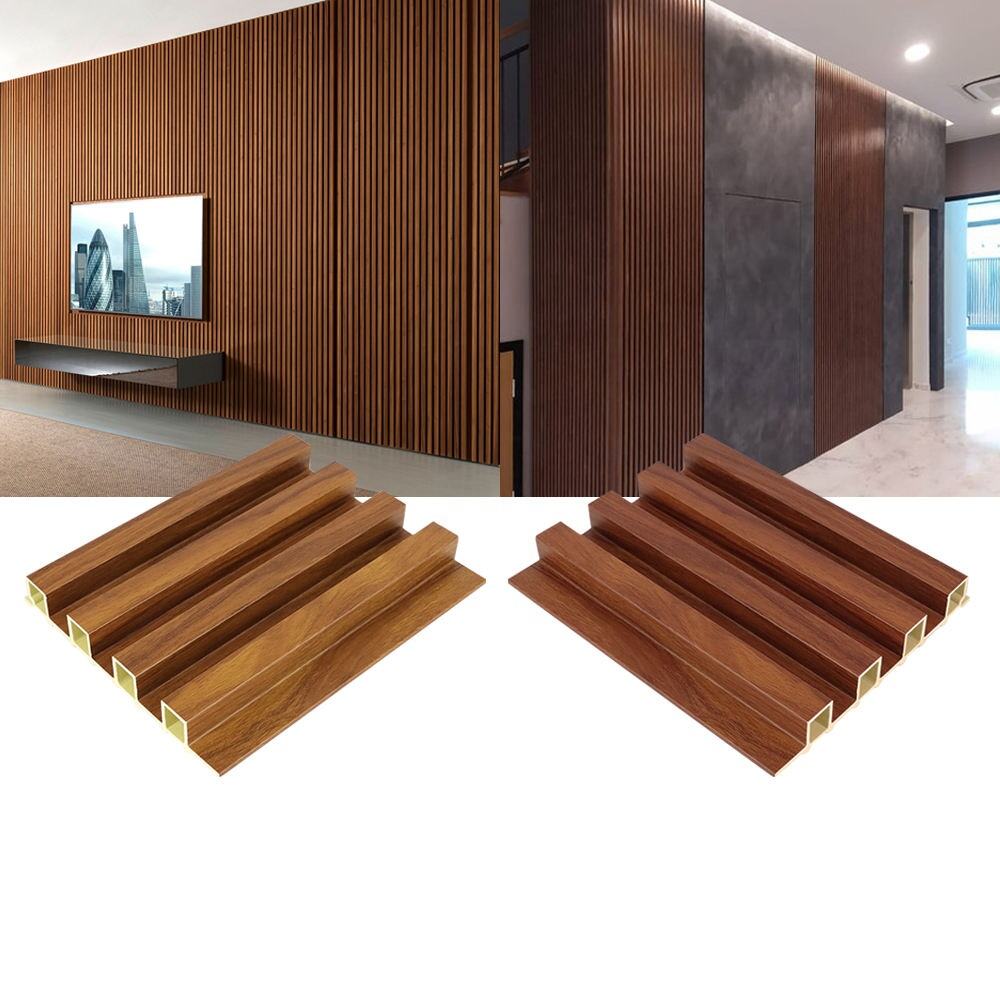
Colour Harmony: Aligning Decorative Wall Panels and Furniture Palettes
Monochromatic, Analogous, and Complementary Schemes for Cohesive Interiors
Visual unity starts with thinking carefully about colors. When someone sticks to monochromatic schemes they're basically working with different tones, tints and shades of just one main color. This creates really calm, sophisticated spaces that work great for minimalist style homes. Think navy blue walls with some lighter blue cushions or something like that. Then there are analogous combinations where colors next to each other on the color wheel get used together. Terracotta walls with mustard colored chairs is a good example. These give nice subtle contrast while still feeling harmonious. For those wanting something bolder, complementary colors which sit opposite each other on the wheel can create striking focal points without making the eye tired. Teal walls with burnt orange furniture does this well. According to recent trends tracked by IIDA in 2023, spaces decorated with these planned color schemes tend to look much more cohesive overall. Some studies even suggest around 40% improvement in how unified people perceive these rooms to be.
| Scheme Type | Effect | Ideal Pairing Example |
|---|---|---|
| Monochromatic | Calm, unified | Charcoal panels + slate gray sofa |
| Analogous | Harmonious, flowing | Sage panels + olive armchair |
| Complementary | Vibrant, high-contrast | Amber panels + indigo shelving |
Using Neutrals as Anchors and Accents to Balance Bold Decorative Wall Panels
When it comes to those striking decorative wall panels, neutrals really do the heavy lifting as foundation pieces. Think beige walls paired with furniture in similar tones to frame up those eye-catching emerald or cobalt panels so they stand out without taking over the whole room. On the flip side, panels in neutral shades like linen textures or matte white actually let colorful furniture shine through. Most interior pros (around two thirds according to recent surveys) swear by this approach especially in compact spaces or rooms with lower ceilings where balance matters most. To get that layered look right, spread out the neutrals on bigger areas too. Maybe start with a cream colored sofa next to those dark walnut panels, then add coordinating throw pillows and top it off with a light oak coffee table somewhere nearby. The trick is repeating these neutral touches throughout so everything works together rather than fighting for attention.
Texture and Material Synergy Between Decorative Wall Panels and Furniture
Tactile Contrast: Pairing Smooth, Textured, or 3D Decorative Wall Panels with Upholstered, Wooden, or Metallic Furniture
When it comes to interior design, the feel of surfaces really makes a difference in creating spaces that engage all our senses. Glossy smooth panels bounce light around beautifully next to metal furniture legs or frames, which works great in modern rooms where the way light hits different surfaces is what gives them their look. For those wanting something warmer, wood grain or stone effect textures bring an earthy feeling that goes hand in hand with real wood furniture, making everything seem connected somehow. On the flip side, three dimensional geometric panels create interesting depth and patterns in a room, especially when placed against soft fabrics like velvet sofas or linen chairs. These softer items actually balance out the angular shapes and encourage people to reach out and touch them, adding another layer to the overall experience.
Key material pairings include:
- Matte metallic furniture, which amplifies industrial chic against concrete-textured panels
- Reclaimed wood tables, whose character is enhanced beside wire-brushed oak panels
- Glossy lacquered cabinets, which mirror light in tandem with high-sheen acrylic panels
According to studies published in the Journal of Environmental Psychology, when textures are well balanced in a space, people actually find rooms more comfortable around 40% of the time. This happens because these textures stimulate several senses at once. Here's what works best in practice: pick one main texture to serve as the foundation, then layer other textures on top without letting them clash. Think of it like building with Legos – each piece needs to fit together but still stand out a bit. This method creates harmony in design while keeping things visually interesting and pleasant to touch throughout the space.
Style Consistency: Unifying Decorative Wall Panels and Furniture by Design Era
Traditional, Modern, Industrial, and Rustic Panel Styles Matched to Complementary Furniture Silhouettes and Details
When it comes to matching decorative wall panels with furniture, getting the style right really makes a difference in how cohesive an interior feels overall. For traditional looks like those raised moldings, beadboard stuff, or old fashioned wainscoting, go for furniture that has curves, fancy carvings, and deep wood tones such as walnut or mahogany. The modern ones with sharp angles or straight lines work better with simple sofas that don't have much padding and tables with corners that aren't rounded off. Industrial style walls with things like exposed bricks, corrugated metal surfaces, or plain concrete panels look great alongside shelves made from steel frames, lights that look like actual pipes, and consoles built from reclaimed wood pieces. And when dealing with rustic panels that show off the natural wood grain, knots, or those edges where the tree was cut, handcrafted furniture tends to be the way to go. Think about pieces with earthy colored fabrics, some hammered metal details here and there, and shapes that feel more natural rather than perfectly manufactured.
The unifying thread lies in silhouette continuity—whether curved, rectilinear, or asymmetrical—and shared material language. When panels and furniture share this foundational vocabulary, rooms feel intentionally curated rather than assembled, avoiding visual dissonance and reinforcing timeless appeal.
Functional Integration: Seamlessly Blending Decorative Wall Panels with Built-in and Freestanding Furniture
Paneling as Architectural Extension—Cabinetry, Headboards, Room Dividers, and Feature Walls
When decorative wall panels are combined with actual furniture pieces, they go beyond just looking pretty. For instance, stretching these panels across the horizontal plane can really frame up built in cabinetry like media units, bookshelves even kitchen islands. This creates those smooth transitions from wall to storage area where everything matches up material-wise, grain direction, finishes all line up nicely. Panels behind bed frames work great too acting as part of the headboard itself. They bring some texture and architectural interest without needing those big heavy standalone options that take up so much space. In homes with open floor plans, going full height with paneling makes excellent room dividers. These don't block off areas completely but still help define different functions within the same space while letting plenty of natural light pass through. Feature walls made with 3D or relief style panels make fantastic backgrounds for seating arrangements or display systems. Think about how tactile wood grain panels look next to rustic wooden dining tables, or how sleek lacquered designs complement metal shelves and modern lighting fixtures around them.
When dealing with busy spots around entryway benches or dining sets, it makes sense to go with tough materials that don't need much upkeep. Magnesium oxide board, often called MGO board, is a good choice here. It resists both fire and moisture, which is why so many architects include it in their specs for both homes and businesses according to those ASTM standards they all follow. Using this kind of substrate helps cut down on messy appearances while making the space feel more organized. What's interesting is how walls stop being just background elements and actually become part of the design solution instead. They contribute to the overall look and function rather than just standing there doing nothing.
FAQ
What are the benefits of using monochromatic color schemes in interior design?
Monochromatic color schemes create calm and sophisticated spaces by using different tones, tints, and shades of one main color, resulting in a cohesive and minimalist aesthetic.
How do neutrals enhance decorative wall panels in a room?
Neutrals act as foundation pieces that allow colorful decorative wall panels to stand out without overpowering the room. They also help achieve a balanced look by anchoring bold panels or allowing colorful furniture to shine.
Why is texture important in interior design?
Texture engages multiple senses, creating visually interesting spaces that are more comfortable. Balanced textures stimulate senses and can enhance design by adding depth and tactile contrast.
How can decorative wall panels and furniture be matched by style?
Decorative wall panels and furniture should be matched by style era, such as traditional, modern, industrial, or rustic, to ensure cohesive interiors with shared silhouette continuity and material languages.
Table of Contents
- Colour Harmony: Aligning Decorative Wall Panels and Furniture Palettes
- Texture and Material Synergy Between Decorative Wall Panels and Furniture
- Style Consistency: Unifying Decorative Wall Panels and Furniture by Design Era
- Functional Integration: Seamlessly Blending Decorative Wall Panels with Built-in and Freestanding Furniture
- FAQ