 EN
EN
Why Decorative Wall Panels Are the Ideal Headboard Solution
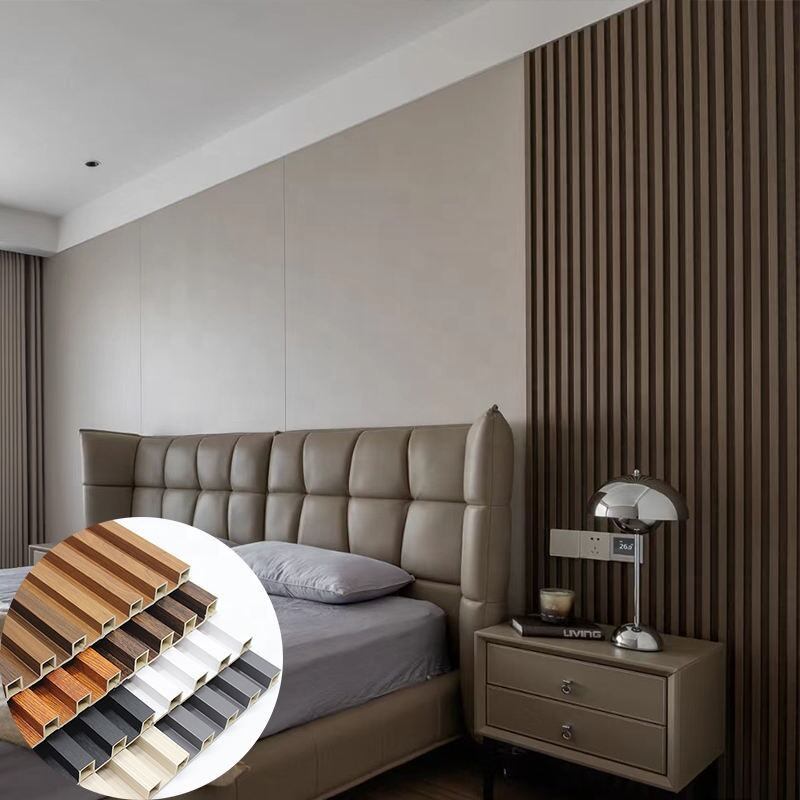
Decorative wall panels transform headboards from functional necessities into dynamic design statements. Unlike traditional freestanding or upholstered options, their wall-mounted form eliminates bulky frames—freeing up 15–20% more floor space in compact bedrooms, per interior efficiency studies.
The versatility of materials brings about both visual uniqueness and real performance benefits. Take acoustic wood slats for instance they can cut down on background noise by around 30 percent, making spaces feel much quieter. Thermal regulating composites work wonders too, keeping interiors comfortable regardless of what season it is outside. For people who own homes, there's something else going on here complete freedom to customize everything from surface textures to color schemes and even pattern designs all without having to tear anything apart or do major remodeling work. And let's talk about installation options because this really matters. Non permanent mounts are great for folks living in rental properties where drilling holes just isn't an option. Plus, many products come with straightforward DIY setups that allow most homeowners to upgrade their space confidently within a single day without hiring professionals.
What really sets these products apart is how durable they are plus their green credentials. The engineered stuff just holds up way better against daily wear compared to regular fabrics. These materials keep looking good for years on end even with little maintenance needed. When it comes to eco friendly choices, there's FSC certified wood, old growth timber that's been repurposed, and composite materials made from recycled content. Most of these actually pass strict environmental tests while still feeling luxurious to the touch. Combining smart space planning, how things feel when touched, and thoughtful design principles, decorative wall panels have become something special in contemporary bedroom settings. Many designers now see them as the go to alternative to traditional headboards because they offer so much more functionality beyond just aesthetics.
Strategic Layouts and Orientations for Decorative Wall Panels as Headboards
Horizontal vs. Vertical Slat Orientation and Visual Impact
How we arrange things affects how we see space. Vertical slats tend to draw our eyes upwards, making ceilings look higher than they actually are. This works wonders in rooms with low ceilings, believe me. According to a recent Interior Design Trends Report from 2023, people felt their ceilings were about 18% taller when using vertical arrangements in small bedrooms. On the flip side, horizontal lines help stretch out narrow walls and keep beds from feeling lost in the room. Want to add some interest? Try those diagonal slats that point towards something special like a painting or window. When dealing with tight spaces, leave some breathing room between elements to maintain that airy feel. But if there's plenty of wall space available, go ahead and pack those textures together so everyone can really appreciate them.
Full-Wall and Floor-to-Ceiling Applications for Immersive Ambiance
Floor-to-ceiling decorative wall panels deliver hotel-caliber presence—enveloping the sleep zone in uninterrupted texture and cohesion. Full-wall designs eliminate visual breaks, allowing seamless integration with integrated lighting, floating shelves, or recessed nightstands. Key benefits include:
- Acoustic control: 3D textured panels reduce noise reverberation by up to 50% (Soundproofing Journal, 2024)
- Spatial expansion: Continuous coverage blurs architectural boundaries, making modest rooms feel significantly larger
- Design unity: Extending panel material to adjacent walls or built-ins creates a curated, intentional sanctuary
For renters, detachable systems using low-VOC, wall-safe adhesives achieve similar impact without lease violations. Always calibrate scale to room proportions: oversized installations overwhelm small bedrooms, while undersized panels fracture visual continuity and diminish elegance.
Material Selection: Balancing Aesthetics, Acoustics, and Sustainability in Decorative Wall Panels
Choosing the right material means aligning visual intent with acoustic needs and environmental values—without trade-offs.
Premium Options: Acoustic Wood Slats, Faux Leather, and Reclaimed Timber
Wooden acoustic slats bring both warmth and proven noise reduction benefits, soaking up around 30 to 50 percent more background noise compared to regular panels, plus they showcase those beautiful natural wood grains that no manufactured product can replicate. The faux leather surfaces have that premium feel under touch and stand up surprisingly well against wear and tear, which makes them great choice for areas near beds where people lean back regularly. When it comes to reclaimed wood, there's something special about each piece. Every slab tells its own story through years of use and weathering, creating one-of-a-kind textures and colors. Plus, using old timber helps keep construction waste out of landfills instead of letting it pile up somewhere nobody wants to see. These materials aren't just looking good either; they actually pass strict environmental standards like FSC certification or at least reach the Silver level in Cradle to Cradle ratings, so customers get stylish interiors without compromising on responsible choices.
Budget-Conscious and Eco-Friendly Alternatives
Bamboo and cork are fast growing materials that really stand out for their benefits. They naturally absorb sound and help regulate temperature inside buildings, which can cut down on heating and cooling costs by around 15 percent according to studies. Then there's recycled composite materials made from old plastic waste mixed with wood fibers that people have thrown away. These products handle moisture much better than many traditional options, so they stay stable even when humidity levels fluctuate. The best part? Most of these eco friendly choices come in at about half the price of high end materials without sacrificing looks or performance. Plus, they don't release harmful chemicals into the air like some conventional building materials do.
| Material Type | Key Benefit | Eco-Advantage |
|---|---|---|
| Bamboo/Cork | Noise reduction & insulation | Biodegradable, rapidly renewable sourcing |
| Recycled Composites | High durability & moisture resistance | Diverts plastic and wood waste from oceans and landfills |
This tiered approach ensures every homeowner—from first-time buyers to sustainability-focused renovators—can select a headboard that elevates aesthetics, supports well-being, and honors planetary responsibility.
Installation Pathways: DIY, Professional, and Renter-Friendly Approaches
Decorative wall panels accommodate every lifestyle and commitment level—whether you’re a hands-on homeowner, hiring a specialist, or navigating rental restrictions.
Simple DIY Mounting Without Framing or Construction
Sticking adhesive backed panels to walls has made DIY installations much easier these days. Just grab a tape measure for the bed frame dimensions, wipe down the wall with rubbing alcohol first, then peel off the backing paper and press it on firmly. These lightweight slat systems work great too, especially those wooden or metal rail options that simply snap together without needing any holes drilled or extra framing. The Home Improvement Journal reported something interesting last year actually, saying people who install their own panels save around 60% on labor costs compared to hiring professional carpenters. Want things lined up straight? A laser level really helps get everything parallel across the whole length. Press each panel down hard for about half a minute to make sure the industrial strength adhesive bonds properly.
Non-Damaging Solutions for Lease-Compliant Headboards
Most renters find that using methods approved by landlords works best for everyone involved. These special frames that stretch tight between the floor and ceiling hold big soundproofing panels without touching walls at all. The acoustic panels come wrapped in fabric or backed with cork material, sticking firmly to surfaces but coming off clean when needed. They usually attach with those handy Command strips that don't leave residue behind. According to a recent survey by the National Multifamily Housing Council in 2023, about three out of four landlords actually approve of this approach. There are plenty more clever ideas worth considering too...
- Freestanding panel bases anchored discreetly behind bed legs
- Velcro®-secured fabric panels for instant repositioning or removal
- Cork-backed acoustic panels that absorb sound without wall penetration
All approaches uphold design integrity while respecting tenancy agreements—proving that thoughtful headboard solutions needn’t compromise on style, function, or security.
FAQ
What are the benefits of using decorative wall panels as headboards?
Decorative wall panels offer a dynamic design statement, space-saving solution, and customization options. They also provide acoustic benefits, enhanced durability, and eco-friendly choices without the need for major remodeling.
Can decorative wall panels be installed in rental properties?
Yes, many decorative wall panels come with non-permanent mounting options suitable for rental properties. These include adhesive-backed panels and freestanding frames that do not require drilling or permanent alterations.
Are there environmentally friendly options available for decorative wall panels?
Absolutely, you can choose from FSC-certified wood, reclaimed timber, bamboo, cork, and recycled composites. These eco-friendly options offer durability and aesthetic appeal while adhering to sustainability standards.
How can DIY installation of decorative wall panels save costs?
DIY installation avoids labor costs associated with professional installation. Adhesive-backed panels and easy-to-assemble rail systems enable most homeowners to confidently upgrade their spaces without professional help.
Table of Contents
- Why Decorative Wall Panels Are the Ideal Headboard Solution
- Strategic Layouts and Orientations for Decorative Wall Panels as Headboards
- Material Selection: Balancing Aesthetics, Acoustics, and Sustainability in Decorative Wall Panels
- Installation Pathways: DIY, Professional, and Renter-Friendly Approaches