 EN
EN

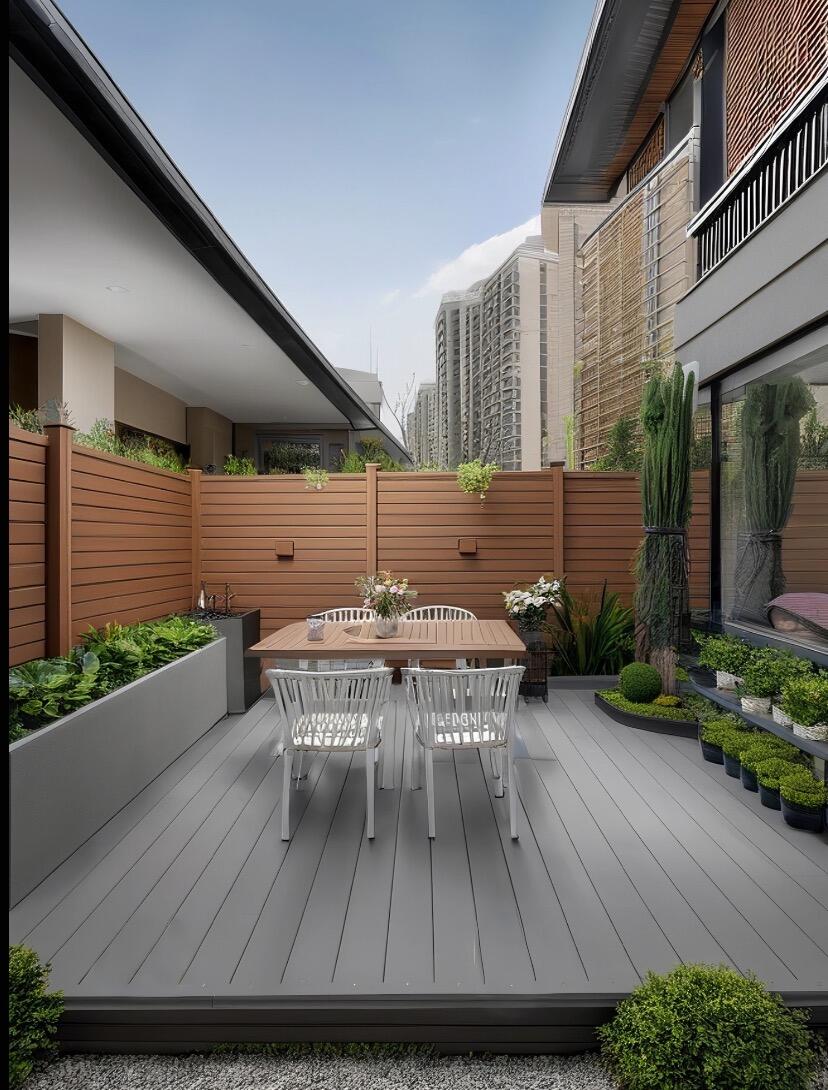
Assessing and Preparing Your Existing Fence for WPC Panel Installation
Evaluating Post Stability, Rail Condition, and Load-Bearing Readiness
The foundation needs to be solid if we want these WPC panels to last any decent amount of time. First things first, check those fence posts. Give them a good shake side to side. If they move more than an inch, something's definitely wrong there and either needs reinforcing or replacing altogether. Look at the horizontal rails too. Warped spots, signs of rot or rust are bad news because they can cut down on how much weight the whole thing can hold by almost half. Very important point here: make sure whatever support system already exists can handle what WPC panels demand. They need about 25 percent more strength compared to regular wooden panels. Before taking out any damaged rails, put in some temporary supports just in case. And when dealing with wobbly posts, dig those concrete footings deeper than where freezing happens underground to stabilize everything properly.
Leveling, Reinforcing, and Adapting Wood/Metal Substructures for WPC Panel Compatibility
Getting WPC panels installed right starts with proper framing that needs attention to detail. When setting up the rails, run a masons line along the length and check for any dips or bumps using a standard 4 foot level. If there are spots where the rail deviates more than quarter inch over four feet, either plane it down or insert some shims to get things straight. For wooden frames underneath, make sure to swap out any rusty nails or screws with stainless steel alternatives. Don't forget to slap on some waterproof sealant at all the joints too. Metal frames need special care as well. Scrub away any rust spots thoroughly before applying a good coat of zinc rich primer to stop future corrosion issues. Weak spots in the rails can be fixed by attaching another 2x4 board next to the original one or installing additional support brackets somewhere in the middle if the span goes beyond six feet. Keep those rails no more than sixteen inches apart from each other to avoid sagging problems later on. This is particularly important for panels with those fancy fluted designs. Also watch out for how temperature changes might affect the way these panels fit together over time.
Mounting WPC Panels: Alignment, Fastening, and Thermal Expansion Management
Tongue-and-Groove Engagement Best Practices and Precision Gap Sizing
Start laying the flooring from a corner that won't move around much. The tongue and groove pieces should lock together vertically as you go along. Keep about an eighth of an inch space between each panel side to side by placing small wooden blocks between them. At the ends where panels meet walls or other surfaces, leave a quarter inch gap every ten feet because wood changes size when temperatures shift. Wood plastic composite materials can expand by roughly 0.07 percent for each ten degree Celsius temperature swing, so those gaps really matter if we want to avoid warped floors later on. Always check everything lines up straight with a laser level first before fastening anything down permanently. If the joints aren't aligned properly, water might seep through and the whole floor could become unstable over time.
Hidden Fasteners vs. Surface Screws: Balancing Durability, Aesthetics, and WPC Panel Longevity
- Hidden clip systems (e.g., track-and-clip designs) distribute tension evenly while concealing hardware—preserving aesthetics and reducing surface cracking risk. They require precisely aligned subframes but eliminate corrosion concerns at fastener sites.
- Stainless steel screws, while faster to install, demand oversized (1/4-inch diameter) pilot holes centered in slots to allow lateral movement. Countersink heads 1/16 inch below the surface to avoid thermal stress buildup.
Both methods require corrosion-resistant hardware and account for WPC’s density—necessitating fasteners 30% stronger than those used for traditional wood. Independent durability testing shows hidden systems reduce long-term maintenance by 40%, primarily by eliminating moisture traps at fastener locations.
Optimizing Subframe Design and Rail Spacing for Fluted and Flat WPC Panels
The way we engineer the subframe has a big impact on how long the WPC panels will last and how they look over time. When working with fluted profiles, keep those horizontal rails no more than 16 inches apart to stop them from sagging down. Flat panels can handle 24 inch gaps but only if we're using the thicker composite materials that are 12mm or above. Make sure all the rails run straight across from side to side relative to where the panels go, and leave at least an eighth of an inch space between each panel end so they can expand when temperatures change. This becomes really important in areas where winters turn into summers with temperature differences over 30 degrees Fahrenheit. Stainless steel screws that resist rust should go at every point where rails meet. The frame itself needs to stay pretty straight too, staying within 3mm of being level across 10 feet of length to prevent any noticeable warping. Curved parts require special attention. Cut back rail spacing by about a quarter and only bend the panels according to what the manufacturer recommends for heating processes.
Avoiding Common WPC Panel Installation Pitfalls: Tools, Timeline, and Pro Tips
Essential Tool Checklist, Safety Measures, and Realistic DIY Timeline
Nearly 40% of WPC panel installations face setbacks due to inadequate tool preparation or rushed timelines (2023 Industry Survey). Avoid costly errors with this structured approach:
Tool Checklist
- Cutting: Circular saw with fine-tooth blade
- Alignment: 4-foot level and calibrated spacers (1/8" for thermal gaps)
- Fastening: Stainless-steel screws or a hidden-clip system
- Safety: Cut-resistant gloves, ANSI-rated goggles, and ear protection
Critical Safety Protocols
Secure panels with temporary bracing during installation to prevent shifting. Never omit expansion gaps—WPC can expand up to 0.7% in direct sunlight, risking irreversible distortion.
Realistic Timeline
For a 150 sq. ft. fence:
- Prep (Day 1): Subframe reinforcement (3–4 hours)
- Installation (Day 2–3): 15–20 panels/hour (experienced DIYers)
- Finishing (Day 4): Trim attachment and final gap inspection
Budget 25% extra time for first-time installations. Rushing causes 68% of panel warping incidents—patience and precision are foundational to lasting performance.
FAQ Section
What are the key points to check when assessing existing fences for WPC panel installation?
Ensure fence posts are secure with minimal movement, check for any warping or signs of rust on horizontal rails, and verify that the support structure can handle the increased load from WPC panels, which require approximately 25% more strength than traditional wooden panels.
How do you adjust subframes for compatibility with WPC panels?
Level the rails using a mason's line and a 4-foot level. Replace rusty nails and screws with stainless steel and apply waterproof sealant to joints. Scrub rust from metal frames and apply zinc-rich primer. Ensure rail spacing is within proper limits to prevent sagging.
What are the best practices for aligning and fastening WPC panels?
Ensure tongue-and-groove joints lock vertically, leave 1/8 inch gaps between panels, and leave a 1/4 inch gap where panels meet other surfaces. Check alignment with a laser level to prevent instability. Use hidden fasteners or stainless steel screws for durability and aesthetics.
What tools and safety measures are necessary for WPC panel installation?
You'll need a circular saw with a fine-tooth blade, a 4-foot level, calibrated spacers, stainless-steel screws, and safety gear such as cut-resistant gloves and ANSI-rated goggles.
How much time should be allotted for a DIY WPC panel installation project?
For a 150 sq. ft. fence, plan for about 3-4 hours for subframe prep, 15-20 panels per hour for installation, and additional time for finishing touches, with a 25% time buffer for new installers.
Table of Contents
- Assessing and Preparing Your Existing Fence for WPC Panel Installation
- Mounting WPC Panels: Alignment, Fastening, and Thermal Expansion Management
- Optimizing Subframe Design and Rail Spacing for Fluted and Flat WPC Panels
- Avoiding Common WPC Panel Installation Pitfalls: Tools, Timeline, and Pro Tips
-
FAQ Section
- What are the key points to check when assessing existing fences for WPC panel installation?
- How do you adjust subframes for compatibility with WPC panels?
- What are the best practices for aligning and fastening WPC panels?
- What tools and safety measures are necessary for WPC panel installation?
- How much time should be allotted for a DIY WPC panel installation project?