 EN
EN

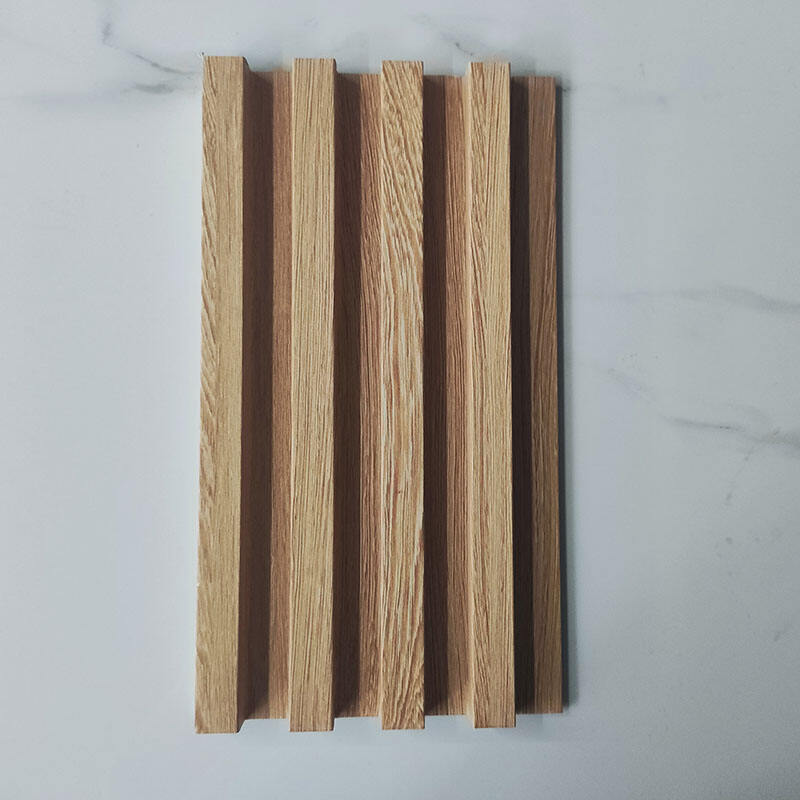
Understanding Decorative Wall Panels and Their Design Impact
What Are Decorative Wall Panels?
Wall panels that decorate walls come in three dimensions and work wonders for making rooms look better and function better too. These aren't just your regular paint jobs or paper on walls. They actually give surfaces some texture and dimension when made from stuff like real wood, MDF boards, or plastic vinyl. Today's wall panels do two main things at once—they protect against scuffs and scratches but also completely change how a space feels and looks. Interior designers have noticed something interesting about this trend. A recent survey showed around seven out of ten professionals are using these panels not only to hide cracks or bumps in walls but also because customers think the rooms look more valuable afterward. Some even say it adds character where there was none before.
The Role of Paneling in Modern Interior Aesthetics
Wall panels really change how we see space because they play around with light, texture, and how big or small things look. When someone installs those vertical boards called board-and-batten on walls, it makes low ceilings seem taller than they actually are. And when there are interesting shapes or patterns on the wall instead of just plain surfaces, it stops rooms from feeling too boring, especially in those modern open floor plans everyone loves these days. According to some recent data from interior designers back in 2024, nearly seven out of ten homeowners want paneling in their homes mainly because it creates these cool focal points without having to tear everything apart and spend a fortune on remodeling. Glossy wall finishes bounce light around nicely which brightens up any room, whereas the duller textured options help cut down on noise bouncing around between walls. So basically, good looking walls don't just look nice but actually work pretty well too.
How "Board-and-Batten Paneling" Enhances Visual Proportion
The traditional approach involves switching between wide planks and thin strips to create visual rhythm while maintaining balance in the space. Works great when trying to counteract bulky furniture pieces, since this look naturally directs attention upwards in standard sized rooms (around 8 to 9 feet high). Many interior pros love combining these boards with different colored moldings along walls and corners. The contrast really makes those structural features pop. Some studies suggest that this color play can make low ceilings appear almost 20% taller in smaller apartments or homes below 300 square feet, though results may vary depending on lighting conditions and room layout.
From Traditional to Contemporary: The Evolution of "Painted Wood Paneling"
Wood paneling used to be something you saw mostly in old library rooms from the Tudor period, but these days it's making waves in minimalist spaces thanks to some fresh new treatments. The latest versions come with those light washed stains or go all out with solid colors that fit right into Scandinavian style or industrial vibes. According to folks in the business, sales of those two color panels have jumped around 40% since 2022. Makes sense really because they let homeowners mix old world character with contemporary looks without going overboard either way.
Material Choices and Aesthetic Flexibility in Decorative Wall Panels
Comparing Wood, MDF, PVC, Fabric, Metal, and Glass Paneling
Wall panels come in so many materials that they really let designers play around with different looks. Wood panels add that natural feel which works great in country style homes or old fashioned decor. MDF boards are pretty affordable though when someone wants to paint them any color they like. Then there's glass panels making spaces look super modern, especially good for city apartments where people want something clean and sharp looking. Metal sheets with textures give rooms that cool industrial vibe many folks love these days. And don't forget about PVC panels for bathrooms or kitchens since they handle moisture well but still allow interesting designs thanks to those fancy embossed patterns available now.
Durability and Maintenance of "Types of Wall Paneling Materials"
Looking at how long different materials last, there's quite a spread in what works best where. PVC panels really stand out when it comes to keeping water out—they beat MDF options by about 63% based on that new Wall Panel Material Study from 2024. Wood panels need constant sealing otherwise they start to deteriorate pretty fast. Metal panels that come pre-treated handle scratches much better, which makes them great for areas where people walk all over them. As for upkeep, some things are straightforward like just wiping down fabric covered panels with a dry cloth. But glass surfaces tell another story entirely requiring special cleaning products to avoid damaging the finish.
Color and Finish Options: Embracing "Two-Tone and Colorful Paneling"
When it comes to paneling, color is really opening up new possibilities for design. Many architects are now playing around with two tone setups where contrasting colors pop against each other, creating interesting visual spots in rooms. Matte surfaces have become quite trendy lately, especially in modern interiors. For those who love minimalism, dark stained wooden panels can make a big difference by adding layers and dimension to otherwise simple spaces. And there's something pretty cool happening with PVC panels too these days. Manufacturers have developed special coatings that resist fading from sunlight, so bold colors stay bright even in areas with lots of natural light. All this variety means interior designers can refresh wall looks as styles change over time without having to tear things apart and start from scratch.
Living Room and Dining Room Applications of Decorative Wall Panels
Creating Focal Points with "Accent Walls with Paneling"
Wall panels that add decoration can really make a difference in living rooms, turning those boring empty walls into something with depth and character. Take floor to ceiling board and batten walls as just one option—they work wonders at adding texture and making small rooms feel bigger than they actually are. These kinds of installations also highlight important parts of the room such as fireplace mantels or entertainment centers. Interior designers have found through their research that when people see modern wall treatments like these, they tend to rate the overall value of the space about 64 percent higher compared to plain walls. Makes sense why so many homeowners are jumping on this trend lately.
Incorporating "Geometric Wall Paneling" for Modern Sophistication
Angled PVC panels or hexagonal MDF tiles introduce structured creativity to minimalistic spaces. These patterns balance open floor plans by creating subtle zoning—ideal for separating lounge areas from dining zones without physical dividers.
Trend Analysis: Popularity of "Modern Farmhouse Wall Treatments" in Urban Living Rooms
White shiplap paneling has surged 38% in urban home renovations since 2022, blending rustic warmth with metro styling. Paired with industrial lighting and neutral tones, it softens concrete-heavy interiors common in lofts and condos.
Enhancing Dining Rooms with "Shiplap Wall Paneling" and Vertical Layouts
Vertical panel layouts in dining areas emphasize ceiling height, especially impactful in rooms under 9 feet. A 2023 Interior Design Trends Report notes that vertical wood slat designs reduce echo by 22% compared to flat walls, enhancing dinner-party acoustics.
Adding Luxury Through "Raised Trimwork and Molding Designs"
Crown molding paired with recessed panel wainscoting introduces Old World elegance to formal dining spaces. Contrasting matte and glossy finishes on trimwork create depth, while moisture-resistant PVC options ensure longevity in humidity-prone areas near kitchens.
Bedroom, Kitchen, and Bathroom: Functional Paneling by Room Type
Crafting Serenity with "Bedroom Wall Paneling Ideas" and Soft-Finish Materials
Wall panels can really change the vibe of a bedroom space, especially when made from softer materials such as padded fabrics or MDF with rounded edges. They help cut down on visual noise while adding just enough texture to make walls interesting. Take headboard style panels for instance, these are becoming super popular right now because they stretch up the wall, making rooms look taller than they actually are. Most people going for this look in 2024 stick to neutral colors like warm gray or creamy white shades. These color choices create peaceful atmospheres that actually support better sleep according to what interior designers say about current trends in bedroom design.
Moisture-Resistant Solutions for "Kitchen Wall Paneling Ideas"
Kitchen spaces need materials that can handle all the steam and messes while still looking good. PVC panels are really taking off here because they resist moisture so well—about 92% according to that latest Interior Materials Report from 2024. These panels create totally seamless looks right behind where people cook. Then there's fiberglass reinforced plastic or FRP panels becoming popular too. They fight off grease pretty well and come in textures that look just like ceramic tiles but cost around 40% less to install. Some big name manufacturers have started putting antimicrobial stuff right into their panel surfaces now. This tackles those pesky hygiene issues plus makes sure everything lasts longer over time.
Waterproof Advantages of PVC and Glass in "Bathroom Wall Paneling Ideas"
Wall panels make great additions to bathrooms since they handle moisture really well thanks to their completely waterproof build. The glass ones come in frosted or patterned styles which stop mold from growing and bounce light around small areas. People who have installed these report feeling like their bathroom space actually looks bigger after renovation work, sometimes even 18% larger according to some studies. For those wanting something different than glass, there are also PVC options now. These mimic the look of real stone with detailed prints and offer good grip when wet, making them pretty important near shower areas where slipping could happen.
Design Strategy: Matching Paneling to Cabinetry, Flooring, and Room Function
| Room Type | Material Priority | Visual Alignment Tip |
|---|---|---|
| Bedroom | Noise-reduction | Match panel tones to bedding |
| Kitchen | Cleanability | Contrast panel & cabinet hues |
| Bathroom | Slip-resistance | Echo flooring in panel texture |
Recent analyses of spatial design principles emphasize vertical panel layouts in bathrooms to accentuate height, while horizontal orientations in kitchens visually expand cramped cooking areas. This strategic approach ensures decorative wall panels enhance both functionality and aesthetic continuity across interconnected living spaces.
Core Benefits of Decorative Wall Panels Beyond Visual Appeal
While decorative wall panels are celebrated for transforming interiors, their functional advantages often go unnoticed. These installations address modern homeowners' practical needs while elevating design sophistication. Let’s explore their hidden benefits through four critical dimensions.
Improving Comfort and Efficiency: Thermal and Acoustic Insulation Properties
Wooden, cork based or composite material panels work really well as insulation against those annoying temperature swings we all experience. Some research indicates that particular types of wooden panels actually cut down on heat movement through walls by around 23 percent when compared with regular drywall surfaces. And don't forget about those fabric wrapped versions either—they tend to soak up roughly seventy percent of background sounds floating around the room. Because these panels handle both thermal regulation and noise reduction so effectively, they've become pretty popular choices for places like media rooms, private sleeping quarters, and those modern spaces where multiple functions need to coexist without causing discomfort.
Long-Term Value: Wall Protection and Reduced Maintenance Costs
PVC, fiberglass, and MDF panels that resist moisture offer great protection against wall damage from dents, scratches, and dampness. Paint and wallpaper need constant fixing over time, while these materials can last anywhere between 8 to 12 years with just regular dusting and wiping. According to recent industry findings from 2023, people who install these protective panels end up spending around $580 less each year on fixing wall problems compared to traditional methods. The savings add up pretty quickly when considering how often walls get damaged in normal household living conditions.
Sustainability Trends in Panel Materials and Eco-Conscious Manufacturing
Leading manufacturers now prioritize recycled content:
- 65%+ post-consumer PVC in waterproof bathroom panels
- FSC-certified wood alternatives with near-zero VOC emissions
- Closed-loop production systems that reuse 90% of water waste
These innovations align with the 42% increase in eco-conscious panel sales since 2021, as reported by sustainable building councils.
Debating Quality: Are Fake Panel Kits Undermining Craftsmanship?
The rise of peel-and-stick vinyl kits (a $1.2 billion market in 2023) sparks concerns about diminishing artisanal standards. While these affordable options democratize design access, industry experts warn that poorly installed synthetic panels may warp or degrade within 3–5 years, unlike custom wood/metal installations lasting decades.
FAQ Section
What are decorative wall panels?
Decorative wall panels are three-dimensional installations made from materials such as wood, MDF, and plastic vinyl, designed to enhance the visual and functional aspects of walls.
Why are decorative wall panels popular in modern interior design?
They are popular for their ability to alter perception of space through texture and light manipulation, creating focal points without extensive remodeling.
What materials are commonly used in decorative wall panels?
Common materials include wood, MDF, PVC, metal, fabric, and glass, each offering distinct aesthetics and functional benefits.
What are the benefits of using decorative wall panels beyond aesthetics?
They provide thermal and acoustic insulation, wall protection, reduced maintenance costs, and sustainability advantages due to eco-conscious manufacturing.
What are the most durable panel materials for moisture-rich environments?
PVC and fiberglass panels are highly recommended for their excellent moisture resistance in kitchens and bathrooms.
Table of Contents
- Understanding Decorative Wall Panels and Their Design Impact
- Material Choices and Aesthetic Flexibility in Decorative Wall Panels
-
Living Room and Dining Room Applications of Decorative Wall Panels
- Creating Focal Points with "Accent Walls with Paneling"
- Incorporating "Geometric Wall Paneling" for Modern Sophistication
- Trend Analysis: Popularity of "Modern Farmhouse Wall Treatments" in Urban Living Rooms
- Enhancing Dining Rooms with "Shiplap Wall Paneling" and Vertical Layouts
- Adding Luxury Through "Raised Trimwork and Molding Designs"
- Bedroom, Kitchen, and Bathroom: Functional Paneling by Room Type
- Core Benefits of Decorative Wall Panels Beyond Visual Appeal
-
FAQ Section
- What are decorative wall panels?
- Why are decorative wall panels popular in modern interior design?
- What materials are commonly used in decorative wall panels?
- What are the benefits of using decorative wall panels beyond aesthetics?
- What are the most durable panel materials for moisture-rich environments?