 EN
EN

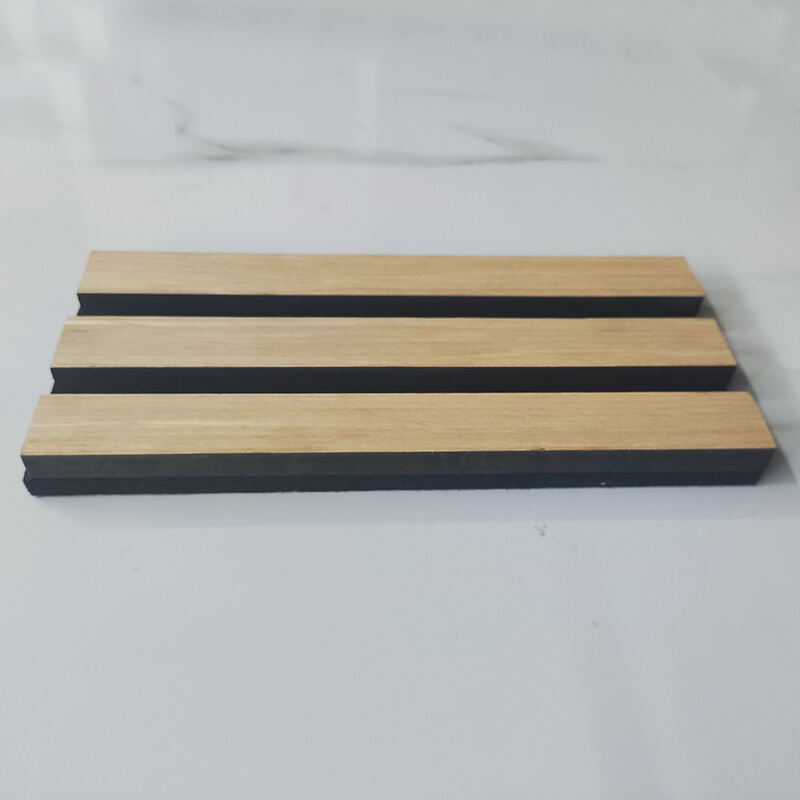
The Rise of Wood Plastic Composite in Sustainable Construction
Shifting Demand Toward Sustainable Building Materials
The construction industry worldwide is increasingly turning to circular economy concepts, which has made wood plastic composite (WPC) stand out among sustainable building materials. When manufacturers mix old wood fibers with used plastics, they end up creating something that cuts down on landfill trash by around 70 percent compared to what we normally see in construction projects today. Plus, these composites look just as good as real wood when it comes to appearance options. According to some recent findings from BCC Research back in 2025, this combination solves several problems that architects face daily. They can meet those tough LEED standards required for green buildings without having to compromise on how their designs actually look, whether working on exterior walls or outdoor decks.
Global Market Trends Driving WPC Adoption
The market for wood plastic composite (WPC) products looks set to expand quite rapidly, with estimates pointing toward around 10.5% annual growth until 2030. This momentum comes mainly from stricter environmental rules across Europe and North America regarding building emissions and plastic waste. Things are getting interesting in the Asia-Pacific region too, as cities continue growing faster than ever. Prefab homes there jumped by nearly 18% just last year alone, which explains why so many builders are turning to WPC these days. The material handles moisture really well and fits nicely into modular construction methods. Industry experts point out that WPC makes financial sense for big infrastructure developments too. Since it lasts longer without needing repairs, companies save somewhere between 30% and 40% compared to conventional building materials when looking at total maintenance expenses over time.
WPC in Prefabricated and Urban Infrastructure Projects
Singapore and Amsterdam are getting creative with WPC these days, using it for boardwalks that can handle floods and lightweight houses that can be moved around. The material lasts about three times longer than regular treated wood when exposed to moisture, which makes sense given how often these cities deal with rain and humidity. Take Rotterdam's floating neighborhood from 2025 as an example. They tested how WPC holds up against constant water movement, and guess what? After two whole years, nothing warped or bent out of shape. Regular plastic and wood just couldn't keep up with that kind of performance over time.
How WPC Redefines Innovation in Building Material Design
WPC goes way beyond just being green stuff for buildings. It actually opens up all sorts of creative possibilities when it comes to design because we can tweak the textures and mix different polymers however we want. Many architects are getting really excited about how they can shape this material into things like those cool curved wall panels and even roofs that work well with solar panels. What makes WPC so special is not only how flexible it is but also that it contains fire resistant additives which meet those tough ASTM E84 Class A requirements. Because of these features, WPC has become something pretty amazing for people working on buildings that aim to produce zero carbon emissions across the globe.
How Wood Plastic Composite Is Made: Manufacturing and Sustainability
Key Stages in the WPC Manufacturing Process
The process for making wood plastic composites starts when manufacturers mix wood fibers, usually sawdust or leftover wood scraps from other projects, together with plastics such as polyethylene or PVC. The combined material gets heated up during extrusion between around 160 and 190 degrees Celsius to fuse everything together before being cooled down and formed into boards, sheets, or special shapes depending on what's needed. Manufacturers also throw in things like UV protection agents and colors to make sure these products can stand up against outdoor conditions while looking good too.
The Role of Recycled Plastic in Enhancing Sustainability and Cost-Efficiency
More than half of the plastic used in WPC products comes from recycled materials these days, which cuts down on new plastic use and saves manufacturers around 18 to 25 percent on production expenses according to last year's Material Innovation Report. Most of this recycled content is high density polyethylene recovered from old packaging waste, something that actually brings carbon emissions down by roughly one third when compared to conventional wood treatment methods. The numbers get even better when looking at full life cycle assessments. When WPC panels contain about 70 percent recycled stuff, they end up needing only half as much energy overall compared to regular pressure treated lumber options on the market today.
Advances in Automation and Precision Engineering in WPC Production
Modern WPC facilities employ AI-driven extrusion systems to optimize material ratios and minimize waste. For example, laser-guided cutting robots achieve ±0.5 mm precision, reducing raw material waste by 22% (Automation Trends Study 2023). Closed-loop water recycling systems and solar-powered heating further cut energy use by 30%, aligning WPC manufacturing with circular economy principles.
Environmental Impact and Life Cycle Performance of WPC
Eco-Friendly Benefits of Using Recycled Materials in Wood Plastic Composite
Wood plastic composites, or WPCs as they're often called, mix recycled plastics with wood fibers to cut down on the need for new raw materials. This approach can slash carbon emissions during production by around 40% when compared to what we typically see with standard building materials. According to some recent research published last year about sustainable materials, these composites actually keep approximately 1.2 million tons of plastic out of landfills each year. What makes WPC really stand out is that it doesn't need those harsh chemicals that regular wood does to protect against rot or bugs. So not only does it help the environment by keeping waste away from landfills, but it also lasts just as long without all those nasty treatments, which fits right into our growing focus on recycling and reusing materials instead of just throwing them away after one use.
Life Cycle Analysis: WPC vs. Traditional Wood Durability
Studies looking at product lifecycles have found that WPC actually lasts longer than pressure treated lumber, with around 30 years versus just 15 for the traditional option. Plus, when it comes time to dispose of these materials, WPC can be recycled rather than simply burned away. According to findings published in a journal called Resources Conservation and Recycling, recycling WPC cuts down on greenhouse gases by nearly 28 percent compared to what happens when it gets incinerated instead. While regular wood does start off with fewer emissions initially, over time the fact that WPC doesn't need replacing as often means those early carbon costs get balanced out somewhere between seven and ten years after installation.
Balancing Plastic Use with Green Building Standards
Wood-plastic composites (WPC) can satisfy both LEED and BREEAM standards thanks to their incorporation of around 50 to 70 percent recycled materials without sacrificing strength. The manufacturing process involves fine tuning the mix of polymer and wood fibers so they meet those tough emission requirements that cities demand for construction projects. Fire resistance and low VOC levels are particularly important in urban settings where building codes get really strict. What makes this material environmentally friendly is how it tackles the growing problem of plastic waste. Most high quality WPC products actually contain more than 60 percent post consumer plastic waste, which helps divert tons of garbage from landfills each year.
Mechanical Properties and Real-World Performance of WPC
Durability and Physical-Mechanical Strength Under Stress
Wood plastic composites or WPCs can actually hold more weight than regular untreated wood. A recent study from last year found these composites have a bending strength over 20 MPa. What does this mean practically? Decking made from WPC can handle pretty heavy loads without bending permanently. We're talking about around 2,500 Newtons per square meter, which beats pressure treated pine by about 40%. Now, WPC isn't as stiff as real solid wood. Oak has an elasticity modulus of about 11,000 MPa while WPC sits at roughly 1,800 MPa. But here's where it gets interesting. Because WPC isn't so rigid, it doesn't snap apart during earthquakes like traditional wood might. This property makes it especially attractive for areas prone to seismic activity, explaining why architects increasingly specify WPC for buildings needing earthquake resistance.
Moisture Resistance and UV Stability in Harsh Climates
Tests on weathering have shown that WPC maintains around 95% of its bending strength after being exposed to UV light for 5,000 hours straight. That beats PVC cladding by about 12% when put through those fast-forward aging tests. What makes this material so good at resisting damage? Well, the composite only absorbs less than 1% moisture even when humidity levels hit 90%, because the polymer wraps around those wood fibers like a protective shell. Looking at recent studies from the industry, there's another advantage worth noting. The way WPC expands with heat is pretty amazing too. At just 0.03% per degree Celsius, this expansion rate is actually 76% lower compared to regular untreated softwood. Makes sense why contractors love using it along coastlines where temperatures swing between 15 and 35 degrees Celsius every single day.
Structural Applications Despite Lower Stiffness Than Solid Wood
When dealing with WPC's relatively low stiffness compared to hardwoods (which typically have an elastic modulus around 10-12 GPa versus just 1.5-2.5 GPa for WPC), engineers get creative with design solutions. Hollow core deck boards are one such innovation, creating strength similar to I-beams while keeping weight down. This allows for impressive 6 meter spans in boardwalk construction without needing those annoying middle supports that regular wood would require. What really makes WPC stand out is its excellent creep resistance. Even when subjected to a constant 1.5 kN load for a full decade, deformation stays below 1%. That kind of performance means these materials maintain their structural integrity over time in applications like load bearing facades, and this has been confirmed through standard industry tests like ASTM D7031.
Applications and Long-Term Value of WPC in Building and Marine Industries
Innovative Uses in Decking, Façades, and Modular Construction
Wood plastic composite, or WPC as it's commonly called, is making waves in construction these days because builders need materials that last and can be shaped in different ways. The numbers tell the story too - something like 30 percent of all new decks going up in the Netherlands right now are made from this stuff. Why? Well, regular wood just doesn't stand up to rain and sun damage over time. Architects love using WPC for those fancy ventilated walls on city buildings being renovated, since it doesn't warp when temperatures swing back and forth like traditional timber does. And don't forget about modular construction companies either. They're finding all sorts of creative ways to work with WPC's light weight property. Prefab wall sections and balcony structures made from WPC cut down on site work by around 40% compared to what they'd have to do with concrete instead.
Marine Industry Applications: Corrosion Resistance and Longevity
Marine environments pose serious challenges for traditional materials, but WPC stands up well against saltwater corrosion that eats away at steel and treated wood over time. Many port authorities across Northern Europe have started switching to WPC for things like dock fenders and boardwalk installations. These structures last around 15 years before needing replacement, which is about three times longer than what we typically see with pressure-treated pine alternatives. Another big plus is how resistant WPC remains to biofouling growths, cutting down significantly on those expensive maintenance jobs required for structures constantly submerged in tidal zones. According to recent findings from maritime industry reports, some shipbuilding companies are even experimenting with WPC for certain interior parts where strength isn't the main concern. They're drawn to both the fire retardant qualities and the fact that WPC weighs considerably less than conventional materials used in similar applications.
Cost Efficiency, Maintenance, and Aesthetic Longevity in Real-World Use
According to research from the Fraunhofer Institute, WPC ends up costing around 35 to 50 percent less than conventional materials when looking at the full 25 year lifespan. Wood needs constant attention with sealing, staining, and pest control treatments that really eat into yearly expenses. The good news is that modern color retention tech keeps WPC looking great for more than ten years straight, even in hot humid environments where other materials would fade fast. Contractors get this too. A recent survey by the Global Construction Council found that nearly three quarters of them are now suggesting WPC for commercial jobs where green building matters but nobody wants to sacrifice financial returns on investment.
FAQ Section
What is Wood Plastic Composite (WPC)?
Wood Plastic Composite (WPC) is a sustainable building material made by combining recycled wood fibers and plastic. It reduces landfill waste and offers versatility in design while meeting environmental standards.
Why is WPC considered eco-friendly?
WPC utilizes recycled plastics, minimizing the need for new raw materials and reducing carbon emissions by approximately 40% during production compared to conventional building materials.
What are some applications of WPC in construction?
WPC is used in decking, façades, modular construction, and marine installations due to its durability, aesthetic appeal, and moisture resistance properties.
How does WPC contribute to cost efficiency?
Over a 25-year lifespan, WPC costs 35 to 50 percent less than traditional materials due to reduced maintenance needs, long-lasting aesthetic qualities, and material resilience.
Table of Contents
- The Rise of Wood Plastic Composite in Sustainable Construction
- How Wood Plastic Composite Is Made: Manufacturing and Sustainability
- Environmental Impact and Life Cycle Performance of WPC
- Mechanical Properties and Real-World Performance of WPC
- Applications and Long-Term Value of WPC in Building and Marine Industries
- FAQ Section