 EN
EN

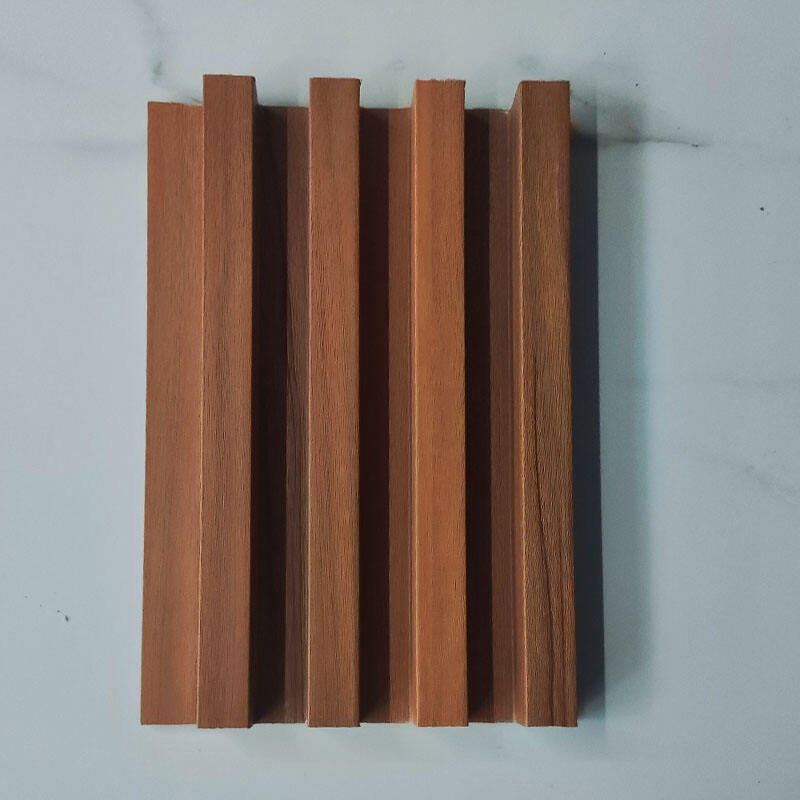
Investing in high-quality sound proof panels is a crucial first step on your journey to a quieter, more comfortable environment. However, it's a common misconception that simply attaching panels to a wall will instantly solve all acoustic problems. The truth is that soundproofing is a system, and like any system, its overall performance is determined by its weakest link. Even the most technologically advanced panels from TECHOS New Material Co., Ltd. can underperform if installation errors compromise their integrity. Our dedicated team, with over 24 years of industry experience, is committed to your complete satisfaction. We believe that empowering you with knowledge is just as important as providing superior products. By understanding and avoiding these common pitfalls, you can ensure your investment delivers the transformative quiet you expect.
Mistake #1: Ignoring the Importance of a Solid Foundation and Surface Preparation
The performance of your soundproof panels is directly linked to the surface they are mounted on. Installing panels on a hollow, lightweight, or poorly constructed wall will yield disappointing results, as sound will easily transmit through the wall structure itself, bypassing the panels. Before installation, assess the underlying wall. For maximum effectiveness, consider techniques like decoupling or adding mass to the existing wall assembly. Furthermore, the immediate surface must be meticulously prepared. For panels like our PVC wall paneling, UV marble sheet, or adhesive-backed acoustic tiles, the wall must be clean, dry, perfectly flat, and free of dust or grease. Any bumps, debris, or unevenness will prevent full contact and adhesion, creating air gaps that act as pathways for sound to travel through. Always use the recommended high-quality adhesive and follow the manufacturer's instructions for application.
Mistake #2: Failing to Seal Every Gap, Edge, and Penetration
This is arguably the most frequent and critical mistake. Sound behaves like a fluid or a gas—it will seek out and exploit the tiniest opening to pass through. Think of your soundproofing assembly as a bucket; a single pinhole will cause it to leak. After installing your soundproof panels, all edges, corners, and seams must be meticulously sealed with a high-quality, non-hardening acoustic sealant. This caulk remains flexible, maintaining an airtight seal even as the building expands and contracts with temperature changes. Equally important are penetrations for electrical outlets, light switches, conduit, and ductwork. These are major weak points. Before installing panels, ensure these penetrations are sealed with putty pads or acoustic sealant. After installation, the panel cutouts around them must also be carefully sealed. Neglecting these details can reduce the effectiveness of your entire soundproofing system by 50% or more.
Mistake #3: Underestimating Panel Density and Placement Strategy
Not all panels are created equal, and a one-size-fits-all approach to placement rarely works. A thin, purely decorative panel will do little to stop sound transmission, whereas a dense WPC panel or a multi-layer wood plastic composite assembly is specifically designed for that purpose. A critical first mistake is not correctly diagnosing your noise problem. Is it airborne noise (voices, TV) or impact noise (footsteps, machinery)? The solution for each can differ. Secondly, consider placement. Simply covering one wall may not be enough if the noise is coming from the floor, ceiling, or multiple directions. A strategic approach involves identifying the primary noise paths and treating those surfaces comprehensively. For a home theater, you might need a combination of wall panels, acoustic ceiling tiles, and even floating floor underlayment. At TECHOS, our experienced and informed team is always at your disposal to help you diagnose your needs, select the right combination of products from our extensive range—from WPC wall panels to specialized sound proofing panels—and guide you on best practices, ensuring your project succeeds from the ground up.