 EN
EN

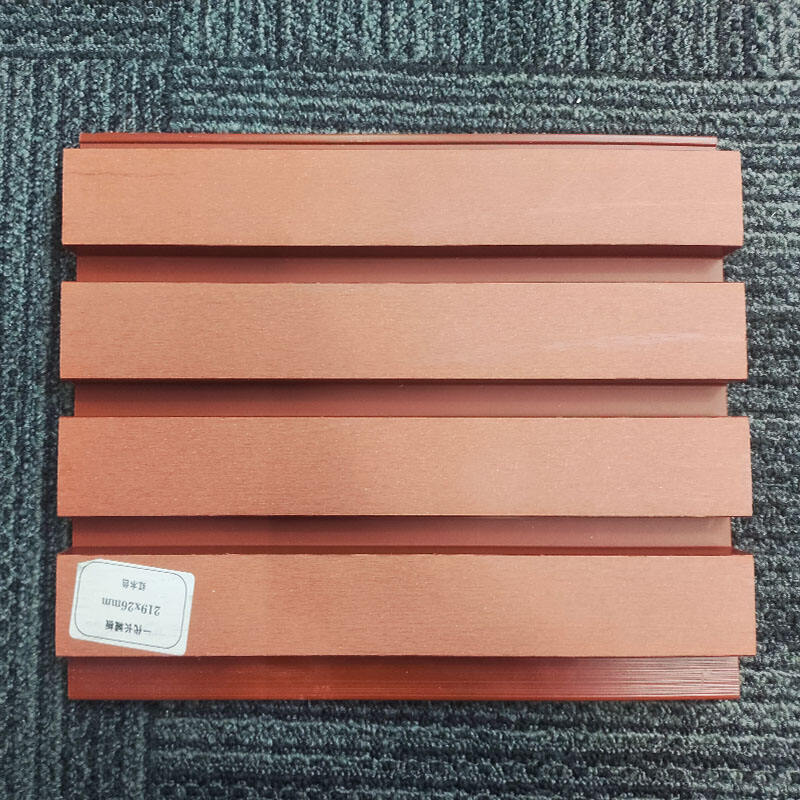
Environmental Benefits of WPC Panels: Reducing Deforestation and Waste
How WPC Panels Reduce Reliance on Virgin Timber
WPC panels mix together bits of recycled wood fiber with plastic from old consumer products, making them a greener option compared to cutting down fresh trees. These composite materials actually make use of leftover industrial wood scraps and other materials that would otherwise go to waste, so they cut down on the need to log those big old trees in the forest. Research indicates something pretty interesting here too: when manufacturers produce one ton of WPC material, it looks like around 1.5 tons worth of new tree cutting gets avoided. And this matters because forests aren't just nice places to hike through, they're absolutely essential for soaking up carbon dioxide from our atmosphere.
Diverting Plastic and Wood Waste from Landfills
Up to 60% of WPC raw materials come from recycled sources such as plastic packaging and construction debris. This circular model diverts about 220 lbs of waste per 1,000 sq. ft. of panels from landfills annually. Many manufacturers now use 100% post-industrial wood fibers, supporting global efforts to reduce waste and conserve resources.
Lifecycle Analysis: Lower Environmental Impact vs. Traditional Materials
Independent assessments confirm that WPC panels outperform traditional building materials across key sustainability indicators:
| Factor | WPC Panels | Solid Wood | PVC Panels |
|---|---|---|---|
| CO2 Emissions (kg/m²) | 8.2 | 12.7 | 14.9 |
| Water Usage (L/m²) | 18 | 32 | 25 |
| Recycled Content (%) | 65–95 | 0–15 | 10–30 |
Data source: 2023 Composite Materials Sustainability Report
These metrics highlight WPC’s lower environmental footprint in terms of emissions, water use, and material efficiency.
Non-Toxic Composition and Compliance with REACH and ISO Standards
WPC formulations are free from formaldehyde, heavy metals, and volatile organic compounds (VOCs), complying with strict EU REACH regulations. Over 85% of producers hold ISO 14001 certification, reflecting robust environmental management practices that ensure safer production and healthier end-user environments.
Sustainable Manufacturing of WPC Panels: Energy Efficiency and Emissions Reduction
Energy-Efficient Extrusion Processes in WPC Production
The latest developments in WPC production are making big strides in cutting down on energy use. Many manufacturers now employ extrusion tech that saves around 40% of what traditional wood processing would consume. When it comes to specifics, precise temperature management combined with better material flow has slashed energy needs per unit by somewhere between 30% and 50% when compared against regular kiln dried timber. What's really interesting though is how new compounding techniques continue pushing boundaries. These advanced methods actually bring down heat requirements another 18% to 22%, simply because they mix polymers and wood fibers so much more efficiently than older approaches ever could.
Closed-Loop Water and Material Recycling in WPC Facilities
Leading manufacturers get around 92 to almost 97 percent material usage out of their closed loop systems which handle both scrap materials and wastewater recycling. According to some research published last year, such methods keep roughly 2.1 million metric tons of plastic and wood waste away from landfills annually. That's kind of like taking about 290 thousand traditional cars off the road at once. When companies combine fiber recovery techniques with plastic reprocessing efforts, they tend to use about two thirds less new raw materials compared to what happens in standard composite manufacturing setups. The environmental benefits here are pretty substantial when looking at long term sustainability goals for any production facility.
Integrating Renewable Energy to Reduce Carbon Footprint
Solar-powered WPC plants in Europe and North America have reduced grid energy dependence by 55–75%, with some achieving carbon-negative status through biomass energy partnerships. The sector’s renewable energy adoption has grown 23% annually since 2021, fueled by declining solar costs—a 58% drop between 2010 and 2023—and government incentives for clean manufacturing.
Industry Trend: Shift Toward Carbon-Neutral WPC Manufacturing
Currently, 47% of global WPC producers participate in certified carbon offset programs, and 31% aim for full carbon neutrality by 2030 (Green Materials Initiative 2024). This momentum supports UN Sustainable Development Goal 9 and positions WPC as a cornerstone of net-zero construction strategies.
WPC Panels in the Circular Economy: Recyclability and Long-Term Sustainability
Closed-Loop Recycling Systems in WPC Lifecycle Management
WPC panels embody circular design principles by incorporating recycled content and enabling recovery at end-of-life. Leading manufacturers use 60–80% post-industrial or post-consumer materials in production. Advanced mechanical recycling techniques allow retired panels to be shredded into reusable granules, avoiding 120 tons of CO₂ emissions per 1,000 panels compared to virgin material production.
End-of-Life Recyclability and Reintegration into New WPC Panels
After a service life of 25–30 years, over 90% of WPC material can be reprocessed. According to a 2023 lifecycle analysis, recycling WPC reduces energy use by 53% compared to new composite production. Facilities employing mechanical recycling achieve 92% material recovery, turning old panels into durable decking, fencing, and other outdoor products.
Balancing Durability and Biodegradability: Addressing the Trade-Off
WPC typically lasts around 40 years before needing replacement, but scientists are now working on special plant-based additives that allow it to break down when needed. Tests with WPC mixed with starch have shown about 85 percent breakdown after just 18 months in industrial composting facilities, and importantly, these materials still hold up structurally. The 2024 European Circular Economy Report points out this development as a major step forward for managing waste responsibly without compromising strength. Such improvements fit well with environmental standards like ISO 14001, making materials both durable and eco-friendly at their end of life.
Frequently Asked Questions (FAQ)
What are WPC Panels?
WPC panels, or Wood Plastic Composites, are made by combining recycled wood fibers and plastic materials, creating a sustainable building option.
How do WPC panels help in reducing deforestation?
These panels reduce deforestation by utilizing recycled wood fibers and plastics, thus minimizing the need for virgin timber.
Can WPC panels be recycled?
Yes, after their service life, over 90% of WPC materials can be reprocessed into new products.
Are WPC panels environmentally friendly?
Yes, they are eco-friendly as they are made from recycled materials and have a lower environmental impact compared to traditional building materials.
What is the lifespan of WPC panels?
WPC panels have a service life of approximately 25–30 years, with certain improvements enabling bio-degradability after the structural lifespan.