 EN
EN

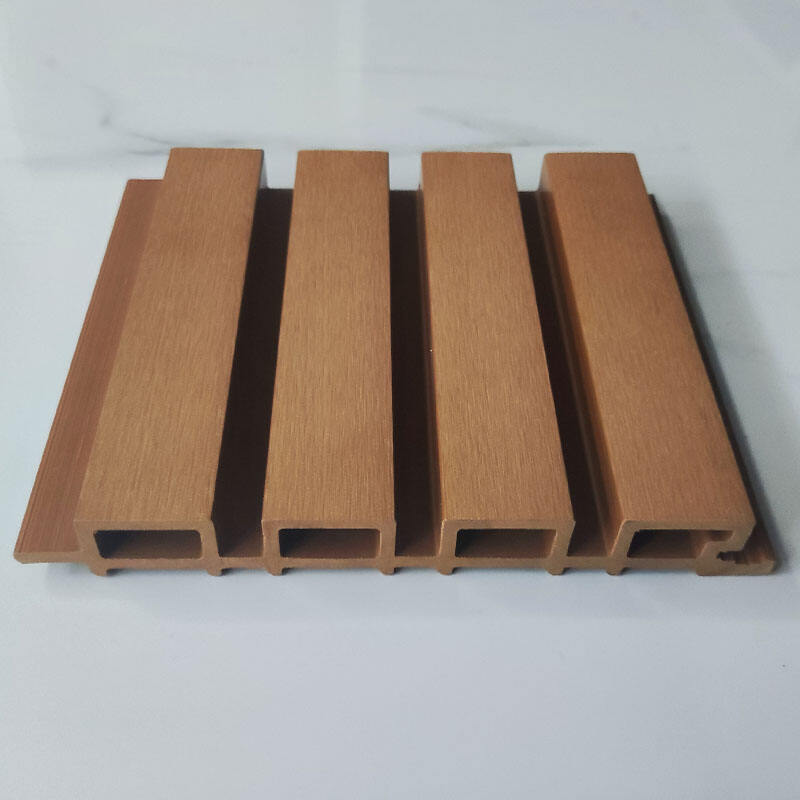
Sustainable Composition and Resource Efficiency of WPC Wall Panels
What Are WPC Wall Panels? Recycled Wood Fibers and Plastics as Core Components
WPC wall panels, which stand for Wood-Plastic Composites, typically contain around 60 to 70 percent recycled materials like leftover sawdust and stuff left over from farming operations. The rest is usually made up of old plastics that people have thrown away, mostly polyethylene stuff. According to numbers from the Global Recycling Foundation back in 2023, these panels help reuse about 2.3 million tons of plastic waste each year. That means we don't have to cut down so many trees for new wood products, plus there's no need for those harsh chemical treatments that regular wood needs to last longer outdoors. What makes WPC different from normal wooden cladding? Well, it doesn't warp or shrink when the weather changes, staying strong even when humidity goes up and down throughout the seasons. For this reason, many builders now see WPC as both tough and environmentally friendly option compared to traditional methods.
Use of Recycled Materials: Reducing Landfill Waste and Conserving Natural Resources
When making WPC products, around 62% of the wood comes from leftover industrial materials according to Green Building Council data from 2022. These materials mix with about 1.5 kilograms per square meter of recycled plastic, keeping tons of garbage out of landfills where plastic can hang around for hundreds of years. Take a look at what happened in 2023 when a housing development built 300 units. The builders chose WPC wall panels instead of regular wood. That decision kept approximately 12,000 kilograms of plastic waste from going into dumps while also saving space equivalent to eight acres of old growth forest. So there's this nice double benefit happening here for both plastic reduction and forest preservation.
Reduced Deforestation Through Substitution of Solid Wood in Construction
For every 10 square meters of WPC wall panels put into place, about 0.35 cubic meters of real wood gets saved. If this material became standard worldwide, it could cut down on logging by around 18% each year according to recent UN forestry data from 2023. Most importantly, the actual wood parts come from leftover materials in sustainably run forests. These operations have been checked by independent groups who make sure there isn't any real drop in local wildlife diversity where the trees are coming from. This approach helps protect ecosystems while still getting the job done for builders and contractors.
Lower Environmental Impact Compared to Traditional Building Materials
WPC vs. Natural Wood: Durability, Maintenance, and Forest Conservation
WPC stands up better to wear and tear than regular wood does. It handles moisture, bugs, and rot issues without needing those pesky chemical treatments or sealants that most woods require. According to some material studies, this actually cuts down on maintenance work needed by around 60 percent over time. Think about it this way: for every 1,000 square meters where someone installs WPC instead of real wood, they're helping protect approximately 1.2 acres of forest each year from being cut down. Plus, since these products last well beyond three decades, there's no constant cycle of replacing them as would happen with traditional wooden materials. This makes sense both environmentally and economically when looking at long term costs.
WPC Versus PVC and Concrete: Carbon Emissions, Energy Use, and Resource Efficiency
Wood plastic composite (WPC) production cuts down on carbon dioxide emissions by around 40 to 50 percent compared to making PVC products, plus it incorporates about 70 percent recycled materials into the mix. Cement manufacturing tells a different story entirely though. The industry is responsible for roughly eight percent of all carbon emissions worldwide, which puts things into perspective when looking at alternatives. Recent research from last year showed that creating and shipping WPC wall panels actually needs about thirty percent less energy than dealing with concrete facades. And because these panels are so much lighter than traditional bricks or stones, trucks burn significantly less fuel getting them to construction sites. This can make a real difference in big projects where transportation costs and environmental impact matter most.
Long-Term Sustainability Through Durability and Low Maintenance
WPC wall panels support sustainable building through exceptional longevity and minimal upkeep. Their resistance to weathering, pests, and decay surpasses traditional materials like natural wood and vinyl, directly reducing environmental impact over time.
Extended Service Life Reduces Replacement Frequency and Construction Waste
WPC panels that are installed correctly can stick around for about 25 to 30 years, which is almost double the lifespan of regular untreated timber. Because they last so much longer, there's no need to replace them as often, meaning fewer materials get used up and less waste ends up in landfills. According to a recent study from 2023 looking at the whole life cycle of building materials, exterior WPC cladding creates roughly 38 percent less debris compared to traditional wood siding options. Plus, these panels don't warp or rot like normal wood does, so they stay put on buildings without needing early removal. This durability makes sense for anyone concerned about sustainability since it naturally supports efforts to reduce waste and make better use of resources over time.
Minimal Upkeep Needs Lower Environmental Burden Over Time
Wood needs sealing every year while PVC demands harsh chemical cleaners, but WPC panels just need a quick rinse now and then. The minimal maintenance means no more constant VOCs coming off those pesky stains we all hate. Plus, studies show these panels can slash water consumption by around 70% when looking at their lifespan across several decades. Since there's no need for regular upkeep routines, manufacturers save on energy costs too. And let's face it fewer trips to maintain them also means less damage to local ecosystems that would otherwise get disrupted during all those maintenance visits.
Reduced Carbon Footprint Across Transportation and Installation
WPC panels weigh about 30 to 40 percent less than concrete or real wood options, which makes them much easier to transport around. Because they're so light, trucks can carry more of them at once, something that matters a lot since the transportation industry accounts for roughly 7% of all carbon dioxide emissions worldwide. Take the new waterfront project in Vancouver back in 2023 as just one instance. The construction team there needed about 25 or 26% fewer truck trips compared to what would have happened if they used regular materials. This kind of difference adds up when looking at large scale projects and shows how switching materials can actually cut down on those pesky freight emissions we hear so much about these days.
Additionally, the modular construction of WPC systems streamlines installation. Contractors use 40% less on-site machinery compared to brick or stone cladding (2024 analysis of 12 commercial projects). In multi-story buildings, the combination of lightness and structural integrity reduces crane operation time by 15—18 hours per 10,000 sq. ft., amplifying energy and emissions savings.
End-of-Life Management and Alignment with Circular Economy Goals
Recyclability of WPC Wall Panels: Closing the Material Loop
WPC panels stand out because about 85 to 95 percent of them can actually get recycled thanks to that thermoplastic material they're made from. Mechanical recycling works pretty well here, turning old panels into brand new building stuff. What makes this different from regular chemically treated wood is that WPC doesn't fall apart when we shred it up for reuse. The whole recycling loop works surprisingly well too. Looking at recent numbers from construction waste in Europe back in 2023, experts estimate this kind of recycling could keep around 1.2 million tons out of landfills every year across the EU region alone.
Innovations in Bio-Based Resins and Closed-Loop Recycling Systems
New formulas are starting to swap out traditional petroleum plastics for resins made from things like rice husks and soybean oil instead. The plant based materials actually boost how well these products can be recycled throughout their entire lifecycle. Some tests back this up too showing around an 18 percent improvement in material recovery when compared with regular plastic stuff from 2020 research. Big name companies are teaming up with local recycling centers now, finding ways to turn old product panels into useful items such as floor padding or garden benches. This kind of approach helps move us closer to those circular economy goals everyone keeps talking about lately.
Debunking Biodegradability Myths and Addressing Real Recycling Challenges
WPC panels get sold as eco-friendly options, but they won't actually break down in nature - something many people don't realize until disposal time comes around. These composite materials need special handling at recycling centers where they can be properly sorted and processed. The problem is that not all areas have good facilities for this kind of work, which makes full circle recycling tough to implement. However, smaller modular recycling setups are starting to pop up across different locations as potential fixes. Some recent design changes too are making things easier. For instance, when manufacturers start using standard size panels and single material fasteners, it cuts down on how complicated the separation process becomes. Early tests show these adjustments can cut separation issues by roughly 40 percent already.
FAQ
What are WPC Wall Panels?
WPC Wall Panels, or Wood-Plastic Composites, are building materials composed of recycled wood fibers and plastic materials. They offer advantages in terms of durability and environmental sustainability.
How do WPC Wall Panels contribute to recycling efforts?
WPC panels effectively utilize recycled materials, reducing landfill waste by incorporating significant amounts of recycled wood and plastic, thus conserving natural resources.
What makes WPC Wall Panels environmentally friendly compared to traditional building materials?
WPC panels reduce the need for deforestation and stand up better against elements without requiring chemical preservatives, reducing maintenance and environmental impact over time.
How long do WPC Wall Panels last, and how do they affect construction waste?
WPC panels can last 25 to 30 years, nearly double that of standard timber, thus reducing replacement frequency and associated waste during their lifespan.
How do WPC panels align with circular economy and recycling goals?
With high recyclability due to their thermoplastic material, WPC panels can be efficiently reused, supporting the principles of a circular economy, though advancements are needed in recycling infrastructure.
Table of Contents
- Sustainable Composition and Resource Efficiency of WPC Wall Panels
- Lower Environmental Impact Compared to Traditional Building Materials
- Long-Term Sustainability Through Durability and Low Maintenance
- Reduced Carbon Footprint Across Transportation and Installation
- End-of-Life Management and Alignment with Circular Economy Goals
-
FAQ
- What are WPC Wall Panels?
- How do WPC Wall Panels contribute to recycling efforts?
- What makes WPC Wall Panels environmentally friendly compared to traditional building materials?
- How long do WPC Wall Panels last, and how do they affect construction waste?
- How do WPC panels align with circular economy and recycling goals?