 EN
EN

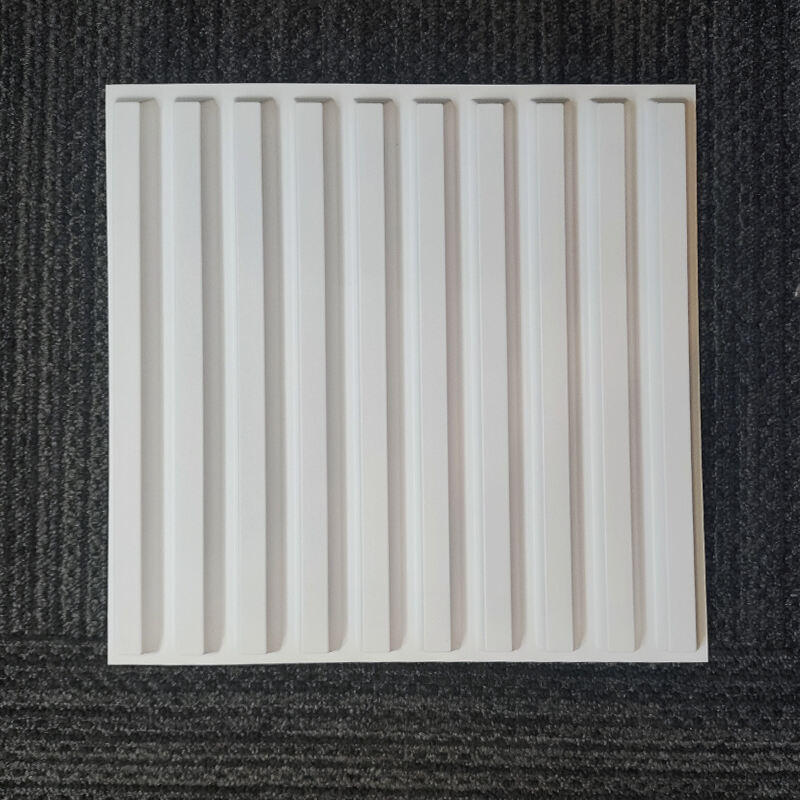
Superior Water and Moisture Resistance in Wet Areas
How PVC Wall Panels Withstand Constant Water Exposure
PVC wall panels work really well in areas where there's lots of moisture because they're made from special polymers that resist water damage. Compared to stuff like grout or regular drywall which can absorb water, PVC stays almost exactly the same size even after sitting in water for over 500 hours according to tests from the National Building Materials Lab back in 2023. That makes these panels great choices for walls near sinks or around showers where splashing happens all the time. Plus, their interlocking system means no messy grout lines between them. Those little gaps are actually where most moisture problems start with traditional tiles. Contractors often mention this as one of the main reasons why so many tile jobs end up needing repairs down the road.
Non-Porous Surface Prevents Water Damage and Swelling
The seamless, non-absorbent nature of PVC prevents major issues in kitchens and bathrooms:
- 0% water absorption rate, compared to 3–7% in engineered wood (Waterproofing Standards Association 2024)
- No substrate swelling that disrupts cabinet alignment
- No hidden moisture pockets behind walls
This resistance extends to household cleaners and steam, preserving structural integrity where acidic or alkaline solutions degrade natural surfaces.
Real-World Performance: PVC Panels in High-Humidity Bathrooms Over Time
Researchers tracked 200 coastal homes over five years and discovered something interesting about bathroom walls. PVC panels needed only 83% fewer repairs compared to traditional tile work. They also didn't show any mold growth at the sealed seams, even when humidity stayed around 75% most days. Tile grout tells a different story though. It tends to break down after all those wet and dry cycles. PVC material holds up better because it doesn't expand or contract much with temperature changes. That makes these panels particularly good for showers where steam builds up constantly throughout the day.
Exceptional Durability and Longevity Compared to Traditional Materials
Impact and Scratch Resistance in High-Traffic Kitchens and Bathrooms
PVC wall paneling outperforms painted drywall and laminates in resisting daily wear. Its polymer core absorbs impacts from dropped utensils or appliance collisions without cracking or denting. While wood-based finishes typically show scratches within 1–2 years, PVC’s scratch-resistant surface retains its appearance even after frequent cleaning in high-use kitchens.
PVC vs Tiles: Cracking, Chipping, and Long-Term Replacement Needs
Ceramic tiles tend to crack when the floor beneath them moves around or when there's temperature changes happening. PVC panels on the other hand just bend and move with these shifts without breaking their shape or integrity. Looking at some recent numbers from 2023 about home renovations shows something interesting too. Tile repair work takes up almost a third (that's 34%) of what people spend on bathroom makeovers because those little cracks in the grout keep getting worse and bits of tile start coming loose. The big difference with PVC is it doesn't have any grout lines at all. This means homeowners end up spending roughly 60% less money fixing walls over a decade period compared to those stuck with ceramic tiles.
Maximizing Lifespan with Proper Installation and Sealing Techniques
To ensure long-term performance, installers should:
- Apply marine-grade silicone sealant on edges in wet areas
- Leave a 1/8" expansion gap around fixtures
- Use corrosion-resistant stainless steel trim for secure finishing
These steps prevent moisture intrusion at seams while accommodating natural movement during humidity changes.
Built-In Mold and Mildew Resistance for Healthier Indoor Environments
PVC wall paneling effectively combats microbial growth—a persistent issue in kitchens and bathrooms. Its non-porous surface offers no foothold for mold spores, unlike grout or drywall. Independent testing under ASTM G21 standards shows PVC achieves 0 fungal growth after 28 days in 85% humidity—outperforming traditional surfaces by 72% (ASTM International 2023).
Why PVC Panels Resist Microbial Growth Better Than Grout or Drywall
Grout’s porous structure traps moisture and organic debris, creating ideal conditions for mold. Drywall can absorb humidity and swell up to 10% when saturated. PVC eliminates both risks with an impermeable barrier that wipes clean without residue, maintaining hygiene with minimal effort.
Reducing Mold Incidence After Switching from Traditional Surfaces
According to the 2024 Indoor Air Quality Report, homeowners who replaced tile-and-grout showers with PVC panels reduced annual mold remediation costs by $740 on average. Bathrooms using PVC for five or more years reported 89% fewer musty odors and visible mold colonies compared to tiled equivalents.
Best Practices: Ensuring Full Coverage to Eliminate Moisture Traps
- Overlap panels by 1/4" at seams
- Seal edges with mold-inhibiting silicone rated for continuous water contact
- Slope shower niches 2° toward drains to prevent pooling
Seams under 1/16" effectively block water intrusion—offering a significant advantage over warping-prone drywall systems.
Fast, Simple Installation and Lower Overall Project Costs
Lightweight Design and Click-Fit System Reduce Labor Time
Installing PVC wall panels is much easier than working with heavy materials like tile or stone that need messy mortar and exact measurements. The panels just click together, making installation fast and straightforward. Most people can finish a 10 by 10 foot bathroom in less than four hours, while traditional methods take over two days according to the latest renovation data from 2023. Many professional installers have noticed this difference too. One contractor mentioned saving around 35% on labor time when using these panels compared to older methods. Standardized sizes mean there's less chance of mistakes during measurements, which saves both time and money on projects.
DIY-Friendly PVC Panels Cut Remodeling Time and Dust
Homeowners can tackle backsplash installations or shower surround projects without needing special training thanks to pre-primed edges and tool free assembly options these days. Imagine trying to cut tiles instead! That creates all sorts of mess with around 5 to 7 pounds of dust particles floating around for every 100 square feet worked on. Panels are different though because they don't need any waiting period for curing or drying. Just snap them into place and start using right away. This cuts down on project timelines by roughly two to three whole days when compared against traditional masonry techniques that take forever to dry properly.
Cost Savings with Pre-Cut Kits and Reduced Need for Skilled Labor
Custom pre-cut kits reduce material waste by 18–25% compared to sheet-based alternatives. Installed project costs average $4.50–$7.50/sq ft for PVC, versus $12–$20+/sq ft for stone with labor. Lower insurance requirements for non-specialized crews further reduce overhead by $300–$500 per mid-sized kitchen remodel.
Stylish Aesthetic Options and Low Maintenance for Modern Homes
PVC wall panels today offer both style and functionality that many homeowners find appealing. People can get those fancy marble veins or realistic oak patterns at around half the price of actual stone or wood according to recent market studies from 2024. What makes these panels really stand out is their ability to keep looking good over time. Even after years of being exposed to bathroom steam or kitchen humidity, they don't lose their color or original finish like real wood tends to warp and buckle. This durability factor alone has made them increasingly popular among budget conscious renovators who still want that upscale appearance without breaking the bank.
Luxury Finishes Like Marble and Wood Grain at a Fraction of the Cost
Advanced printing technology delivers photographic accuracy in replicating premium materials, without their upkeep demands. A 2023 consumer study found 78% of remodelers chose PVC over ceramic tile specifically for its realistic stone-look options and seamless installation.
Easy Cleaning and Stain Resistance Maintain Long-Term Appearance
The non-porous surface resists coffee, grease, and soap scum with simple wipe-downs using mild detergent. With no grout lines to trap dirt, PVC reduces weekly cleaning time by 25–35 minutes compared to tiled walls (Home Maintenance Efficiency Report 2024).
Balancing Budget, Beauty, and Practicality in Kitchen and Bathroom Design
Designers increasingly specify PVC panels for their ability to withstand temperature fluctuations from -20°F to 140°F without cracking or fading. This thermal stability ensures consistent appearance across seasons, making it ideal for rooms where humidity regularly reaches 80–100%.
FAQ
What are the benefits of using PVC wall panels in wet areas?
PVC wall panels offer superior moisture resistance, preventing water damage and swelling. They maintain structural integrity in areas like kitchens and bathrooms where acidic or alkaline solutions can degrade natural surfaces.
How do PVC panels compare to traditional tiles in terms of durability?
PVC panels resist cracking and chipping more effectively than ceramic tiles, and require significantly fewer repairs. They lack grout lines, which reduces maintenance costs over time.
Are PVC wall panels easy to install?
Yes, the click-fit system of PVC panels allows for fast and simple installation, reducing labor time considerably compared to traditional methods involving heavy materials like tiles and stone.
Do PVC wall panels prevent mold growth?
Yes, PVC panels resist microbial growth due to their non-porous surface, which prevents moisture and organic debris accumulation, unlike grout or drywall.
What aesthetic options do PVC wall panels offer?
PVC panels can replicate luxury finishes such as marble and wood grain with realistic accuracy, offering style and functionality at a fraction of the cost compared to actual stone or wood.
Table of Contents
- Superior Water and Moisture Resistance in Wet Areas
- Exceptional Durability and Longevity Compared to Traditional Materials
- Built-In Mold and Mildew Resistance for Healthier Indoor Environments
- Fast, Simple Installation and Lower Overall Project Costs
- Stylish Aesthetic Options and Low Maintenance for Modern Homes
- FAQ