 EN
EN
The modern office is an ecosystem of activity. It's a place designed for collaboration, innovation, and the rapid exchange of ideas. Yet, this very design often breeds its biggest challenge: noise. The constant, unpredictable symphony of ringing phones, clattering keyboards, nearby conversations, and office equipment creates a soundscape that is anything but conducive to focused work. This isn't merely a matter of annoyance; it's a quantifiable business problem. Studies consistently link excessive, uncontrolled office noise to decreased productivity, increased error rates, higher employee stress, and even increased staff turnover. At TECHOS New Material Co., Ltd., with over 24 years of expertise in the decorative building materials industry, we understand that an office is your company's engine. Integrating high-performance sound proofing panels is not an aesthetic afterthought—it's a strategic, data-backed investment in your team's well-being and your company's productivity.
The High Cost of a Noisy Office
Before exploring solutions, it's crucial to understand the problem's depth. In an open-plan office, the lack of acoustic privacy creates a phenomenon known as "irrelevant speech effect." Our brains are naturally wired to process speech, so overhearing a fragment of a colleague's phone call automatically pulls our attention away from the task at hand. It can take over 20 minutes to fully regain that deep state of concentration. Multiply those lost minutes by the number of employees and the frequency of interruptions, and the cumulative cost to your business becomes staggering. This constant cognitive strain also leads to higher fatigue and stress levels, eroding job satisfaction and contributing to burnout. Sound proofing panels are the most effective tool to mitigate this, creating an environment where focus can flourish.
Tailoring Acoustic Solutions for Different Office Zones
A one-size-fits-all approach to office acoustics is ineffective. A successful strategy involves treating different functional zones with specific solutions from TECHOS's extensive product range.
1. The Open Plan: Managing Ambient Noise
The open-plan area is the heart of the office and its biggest acoustic challenge. The goal here isn't to create silence, but to manage the ambient noise level and reduce the distance sound travels. This is achieved primarily through absorption.
Solution: Installing acoustic ceiling tiles or ceiling panels is one of the most impactful interventions. The ceiling is often the largest reflective surface; our PVC ceiling panels with acoustic properties can absorb a significant percentage of sound that would otherwise bounce across the floor plate. On vertical surfaces, our decorative wall panels and 3D wall panels can be strategically placed on columns or walls to act as sound baffles, breaking up noise pathways and absorbing excess energy.
2. Meeting and Conference Rooms: Ensuring Clarity and Confidentiality
These rooms must serve two masters: they need to contain internal discussions for privacy and prevent external noise from disrupting meetings. Furthermore, poor acoustics within a room can make video conferences unintelligible due to echo.
Solution: A combination of absorption and blocking is key. Our dense WPC wall panels are excellent for adding mass to walls, helping to block sound transmission to and from the corridor. Inside the room, installing specialized soundproof panels on walls, combined with an acoustic ceiling panel, will dramatically reduce echo and reverberation. This ensures that every participant—in the room or on a video call—can hear and be heard with crystal clarity, making meetings more efficient and professional.
3. Private Offices and Focus Rooms: Creating Sanctuaries for Deep Work
For tasks requiring intense concentration, handling confidential information, or simply taking a break from the open-plan hum, dedicated quiet spaces are essential.
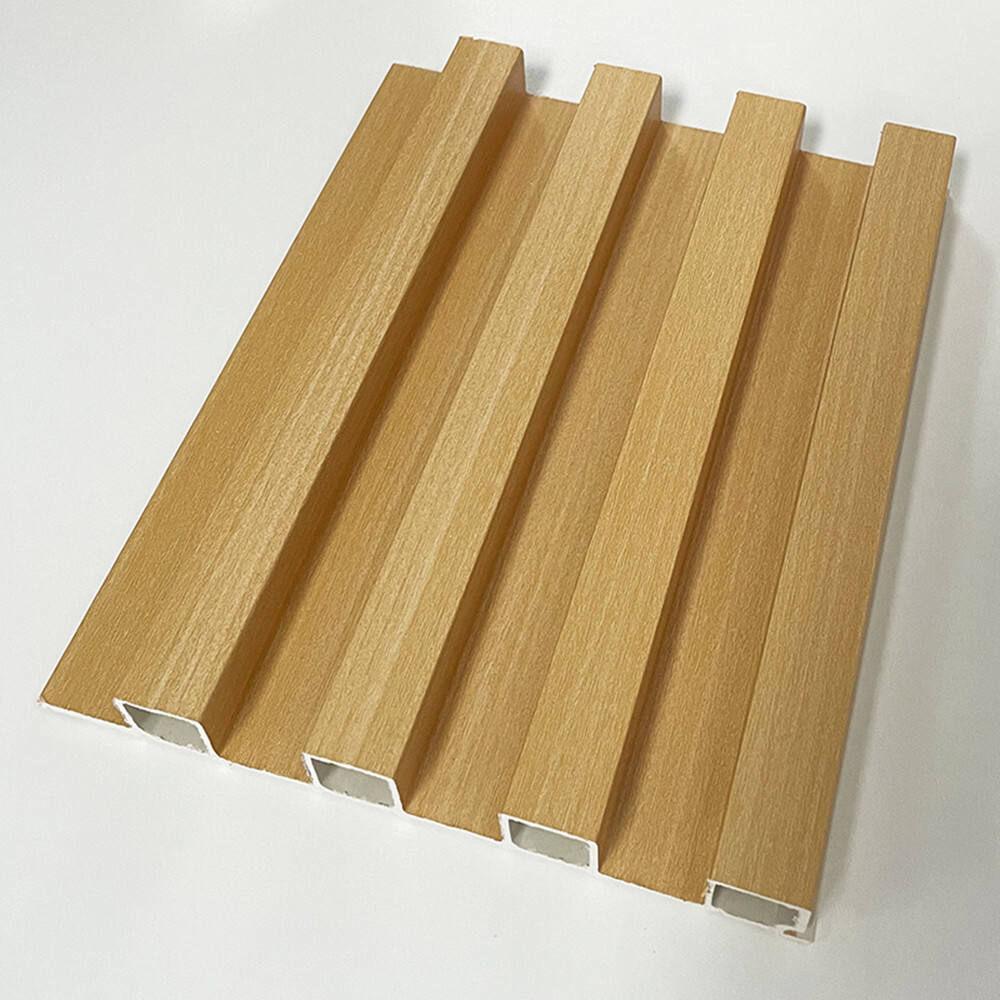
Solution: In these rooms, the objective is maximum isolation. TECHOS offers high-performance sound proofing panels designed for superior sound damping. Using our wood plastic composite panels as part of a layered wall assembly can create a formidable barrier against noise. Inside the room, finishing with decorative wood panels for walls not only provides a warm, calming aesthetic but also adds an extra layer of sound absorption, creating a true sanctuary for focused work.
Beyond Sound: The Multifaceted Benefits of TECHOS Panels
Investing in sound proofing panels from TECHOS provides benefits that extend far beyond noise reduction.
Enhanced Aesthetics: Our panels are designed to be seen. From the natural elegance of our decorative wood panels for walls to the modern, sleek finish of our PVC wall paneling and the dramatic texture of 3D wall panels, these solutions enhance your office's visual appeal, contributing to a more professional and inspiring environment.
Employee Well-being and Retention: By creating a less stressful, more comfortable auditory environment, you send a clear message that you value your employees' ability to focus and their overall well-being. This fosters a positive company culture and aids in attracting and retaining top talent.
Sustainability: TECHOS is committed to minimizing our environmental footprint. Our products, including our WPC panels and many PVC panel options, are manufactured using eco-friendly materials and processes, allowing you to create a healthier, greener office that aligns with modern sustainability principles.
Partnering with TECHOS for a Productive Future
Transforming your noisy office into a hub of focused productivity requires expertise as much as it requires quality materials. With over two decades of experience, TECHOS New Material Co., Ltd. is your ideal partner. Our seasoned team can provide expert guidance on product selection and acoustic strategy, ensuring you choose the right combination of panels for your specific needs and budget. Backed by our perfect logistics distribution system, we ensure your project is delivered on time and without delay.
Don't let noise pollution drain your company's potential. By strategically integrating TECHOS sound proofing panels, you can create a workspace that actively enhances concentration, fosters collaboration, and empowers your employees to do their best work. Contact us today to discover how we can help you build a quieter, more productive future.